

Shoulder Bursitis Symptoms: What’s Normal and What Isn’t

Shoulder pain is one of the most common physical complaints that adults present to their physicians. It often shows up after a long weekend of yard work, an intense gym session, or even just sitting at a computer for too many hours. Because the shoulders are being used for almost every upper-body movement, it is easy to dismiss a nagging ache as just a part of getting older or a minor muscle strain.

Many cases of shoulder pain are actually shoulder bursitis. While it often causes discomfort, it is frequently misunderstood. Some individuals ignore the pain until it becomes a chronic problem, while others become unnecessarily anxious over a minor sore muscle.

Recognizing the difference between normal soreness and a medical problem is key to maintaining your long-term mobility. This guide will help you identify symptoms of shoulder bursitis, know when to rest, and understand when to see a doctor for shoulder pain.

Understanding Shoulder Bursitis

To maintain shoulder health, you need to understand how the joint works. The shoulder is a “ball-and-socket” system that depends on a complex network of muscles and tendons. To keep these parts from rubbing together, the body uses a small, fluid-filled sac called a bursa.

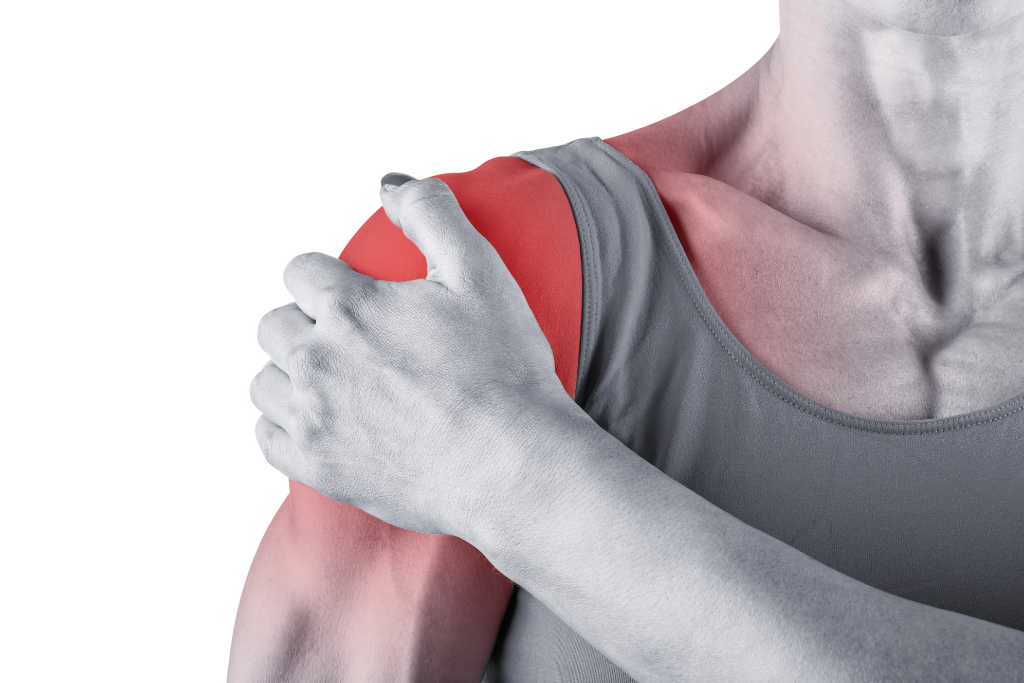
Think of the bursa as a shock absorber or a lubricated cushion. Its job is to reduce friction between the rotator cuff tendons and the bone above them. Shoulder inflammation occurs when this sac becomes irritated or compressed. When the bursa swells, the space inside the joint becomes even tighter, leading to shoulder bursitis pain.

This condition often results from shoulder overuse injuries, such as repetitive overhead reaching or heavy lifting. It can also be caused by poor posture, a direct blow to the shoulder, or age-related joint changes. Since the bursa is located very close to the tendons, long-term inflammation can eventually cause rotator cuff irritation, making early treatment a smart way to prevent more serious injuries.

Also Read: Shoulder Pain From Sports or Work? What It Might Be Telling You

Common Shoulder Bursitis Symptoms

Although individuals experience pain differently, several key signs indicate bursitis. You might notice:

  • A deep, dull ache: This often feels as if it is within the shoulder joint rather than on the skin.
  • Sharp pain with movement: Reaching for a high shelf, putting on a jacket, or fastening a seatbelt may cause a sudden, sharp pain.
  • Localized tenderness: The top or outer side of the shoulder may feel sore when you press on it.
  • Reduced range of motion: You might find it harder to lift your arm all the way up or reach behind your back.
  • Night pain: Shoulder bursitis symptoms are often most noticeable when lying on the affected side at night.

Symptoms That Are Usually Considered Normal

Not all shoulder pain is a medical emergency. Often, shoulder inflammation is a transient response to new activity. You likely don’t need to worry if your symptoms follow this pattern.

  • The soreness follows a specific activity.
  • The stiffness improves with gentle movement.
  • The pain responds well to home care.
  • The symptoms typically resolve within a few days.

When the joint improves with rest and standard care, it usually means the bursa isn’t severely pinched or damaged. In these cases, balancing rest with gentle movement is often enough to resolve shoulder inflammation without requiring further treatment.

Symptoms That Are Not Normal

Waiting too long can be costly. If your shoulder pain strays from the usual pattern, it’s time to take it seriously. These signs indicate that inflammation is not resolving spontaneously.

  • The pain intensifies despite resting.
  • The discomfort consistently prevents sleep.
  • The arm feels weak or heavy.
  • The pain travels down the arm.
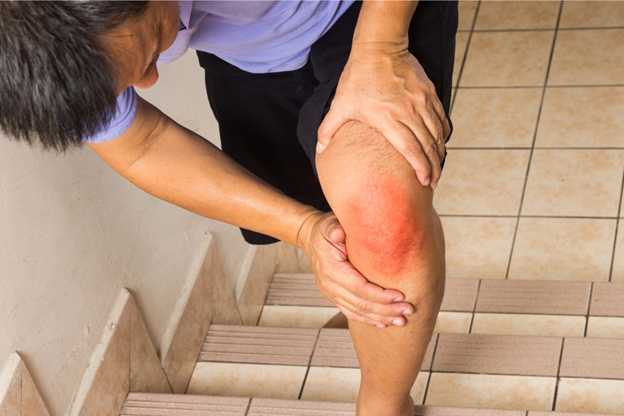
  • The joint looks red or swollen.
  • The pain follows a specific injury.

These warning signs indicate that shoulder inflammation has progressed beyond simple irritation and may be affecting joint stability. When pain radiates or causes noticeable weakness, it often shows that the bursa is severely compressed or that secondary rotator cuff irritation is present. Prompt treatment at this stage is essential to reduce the risk of permanent loss of motion or long-term tissue damage.

Shoulder Bursitis vs. Other Shoulder Conditions

It can be difficult to distinguish between different shoulder problems since they all occur in the same small area. However, there are some important differences:

Rotator Cuff Tears: While shoulder bursitis involves an inflamed cushion, a tear is an injury to the muscle or tendon itself. Tears typically cause greater weakness; you may find it impossible to keep your arm raised if someone pushes it down.

Frozen Shoulder: This condition involves tightening of the joint capsule. Unlike bursitis, which is painful but usually allows some movement, a frozen shoulder feels as though the joint is physically locked in place.

Because these symptoms overlap, only a professional diagnosis can confirm the correct issue.

When Shoulder Bursitis Becomes a Medical Concern

From a practical standpoint, you should see a doctor if your shoulder pain lasts more than two weeks. Ignoring persistent inflammation is risky because it can change how you move your arm. These altered mechanics put extra stress on your tendons, which may lead to a tear that eventually requires surgery.

Signs that inflammation is affecting your tendons include a cracking or grating sensation when moving, a loss of strength when lifting objects, or pain that travels down into the bicep muscle. Addressing the problem while it is still just shoulder inflammation is much easier and more cost-effective.

What an Orthopedic Evaluation May Include

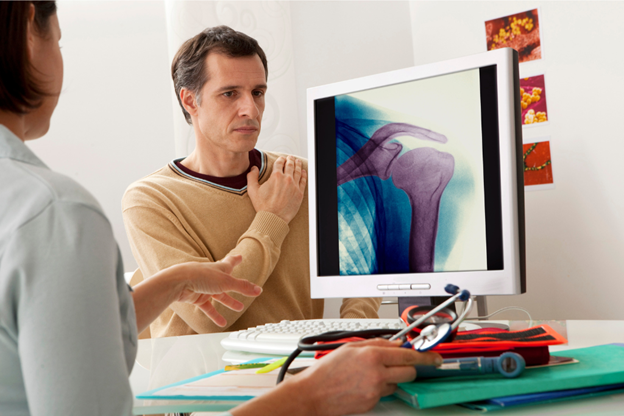
When you visit a specialist, the goal is to rule out structural damage and confirm the source of the pain. An evaluation typically includes:

  • Discuss your history and daily activities
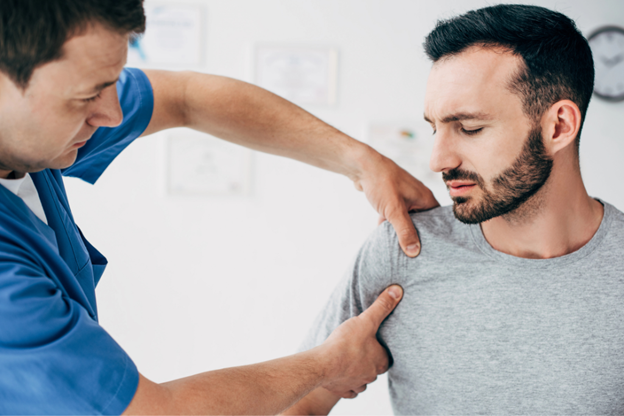
  • Perform a physical exam of the joint
  • Test your range of motion and strength
  • Use X-rays to check for bone spurs
  • Order an MRI to see soft tissues clearly

At Urgent Orthopaedic Care, patients have immediate access to diagnostic tools without the long wait times often seen at general hospitals. Their specialists focus on quickly identifying the root cause of your shoulder pain and inflammation. By getting an accurate diagnosis in a single visit, you can start a personalized shoulder bursitis treatment plan that prevents minor irritation from turning into a long-term injury.

Non-Surgical Treatment Options for Shoulder Bursitis

Most shoulder bursitis treatments may not need surgery. The goal is to reduce swelling and open up the joint space so the bursa can recover. Typical steps include:

  • Avoiding the specific motions that cause pain
  • Using physical therapy to strengthen the shoulder
  • Taking anti-inflammatory medications
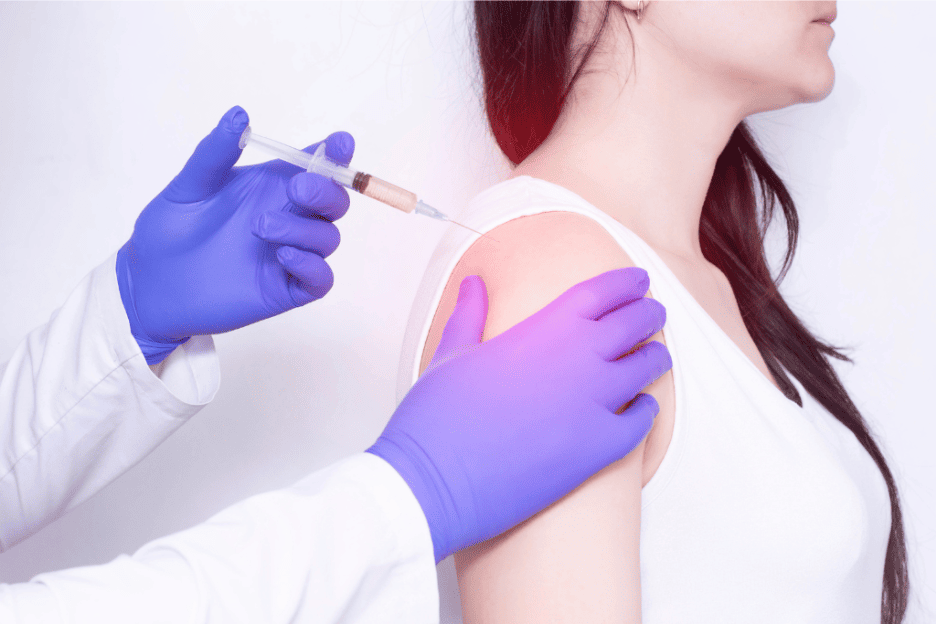
  • Getting a corticosteroid injection for fast relief

Surgery is often reserved as a last option. It’s usually advised to retain the bursa or remove bone spurs only after other treatments have failed. Specialized clinics like Urgent Orthopaedic Care help patients avoid surgery by combining medical care with physical therapy customized to their lifestyles.

Also Read: Can a Cortisone Shot Fix Shoulder Pain or Just Delay Surgery?

Surgical Treatments for Shoulder Bursitis at Urgent Orthopaedic Care

Surgery is never the first option for shoulder bursitis, but for some people, it’s the appropriate option. If pain, swelling, or limited movement don’t go away after rest, therapy, medication, or injections, surgery may be suggested to fix the problem.

At Urgent Orthopaedic Care, they make surgical decisions after carefully looking at your shoulder condition. Minimally invasive Arthroscopy is used for a wide range of procedures. The surgeon can remove inflamed bursal tissue, smooth out bone spurs that are causing impingement, or repair damaged structures that are exacerbating the irritation by making small incisions. This method can cause less tissue damage and often results in a faster, more comfortable recovery.

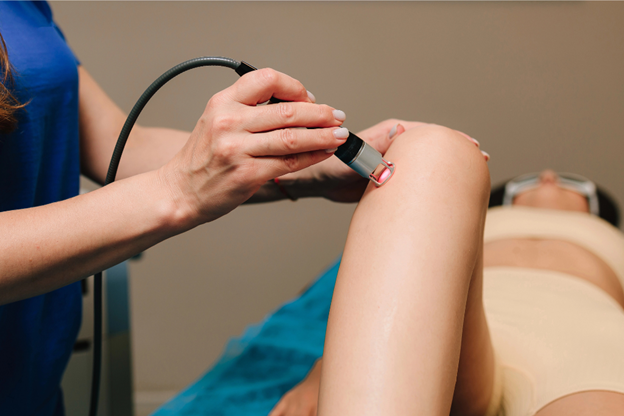
Urgent Orthopaedic Care also uses Multiwave Locked System MLS Laser Therapy to help soft tissue heal without cutting it open and to ease pain and swelling.

If bursitis is associated with other shoulder problems, surgery may involve repairing the rotator cuff or correcting joint mechanics. The goal is to relieve pain permanently and improve shoulder function.

Preventing Recurrent Shoulder Bursitis

Once you have recovered, the goal is to prevent a repeat shoulder overuse injury. You can lower your risk by:

  • Use proper lifting mechanics
  • Strengthen your back muscles
  • Improve your desk ergonomics
  • Increase workout intensity slowly

Establishing these habits typically reduces the long-term risk of shoulder overuse injury. Maintaining good posture and balanced muscle strength keeps the shoulder in a neutral position, helping prevent the bursa from becoming pinched. Consistent prevention ensures that shoulder inflammation doesn’t turn into a recurring problem that disrupts your work or hobbies.

Also Read: When to See an Orthopedic Specialist for Shoulder Pain

Conclusion

Shoulder pain is common with an active lifestyle, but it shouldn’t be persistent. Shoulder bursitis symptoms are often the body’s early warning signs. By recognizing what is normal soreness and what indicates recurring inflammation, you can take action before a small issue becomes a major limitation.

Proper diagnosis is the key to a fast recovery. When you address the root cause of the inflammation, you protect your shoulders and ensure you can stay active for years to come.

To begin recovery, consider visiting Urgent Orthopaedic Care. Specialists at the Los Angeles and North Hollywood locations provide the expert evaluation needed to treat shoulder bursitis symptoms and restore your full range of motion.

Can Exercise Wear Out Your Joint Replacement Faster?

You’ve just had a hip or knee replacement, and now you’re thinking about exercise again. It’s natural to worry whether staying active might wear down your new joint too soon. After months of recovery, you finally have mobility and freedom. The last thing you want is to waste that by damaging your implant.

A modern hip or knee replacement is durable, designed to accommodate movement rather than being fragile. This article aims to guide you in identifying activities that benefit your joints, those you should be cautious about, and in establishing habits that ensure your replacement remains strong and functional for many years to come.

How Modern Joint Replacements Are Designed

Modern hip and knee implants are made from advanced materials, such as titanium and other surgical-grade metal alloys. They are typically coupled with smooth polyethylene liners or ceramic parts. These implants are precisely engineered for strength and durability, ensuring they can resist friction, loads, and daily movement.

Thanks to improvements in materials and design over the years, most implants have a lifespan of 15 to 25 years. Many last much longer, especially when patients stay active and attentive to joint health. Advances in coating and liner technology have greatly lowered wear compared to older designs.

Movement is actually beneficial for an implant and the surrounding tissues. Staying active improves circulation, which nourishes the nearby bone and soft tissue. Strong muscles around the joint help absorb forces, so the implant doesn’t bear all the stress. Regular movement prevents stiffness, enhances flexibility, and helps maintain better balance and stability.

Also Read: Top 8 Questions to Ask Before Your Joint Replacement Surgery

Can Exercise Actually Wear Out a Joint Replacement?

An implant can wear out prematurely, but this usually happens when it’s exposed to excessive force or improper movement patterns. Regular, low-impact exercise does not fall into this risk category.

Common causes of implant problems over time include the following:

  • Repetitive high-impact loads, such as frequent jumping or hard landings
  • Sudden, forceful movements or twisting under load
  • Poor alignment or uneven weight distribution when moving
  • Excess body weight, which increases stress with every step

What does not typically cause premature wear in most cases:

  • Walking at a relaxed, steady pace.
  • Light running (once cleared by your surgeon).
  • Strength training with controlled, joint-friendly form.
  • Cycling, swimming, rowing, or using low-impact cardio machines.

These activities do not create the shock or torsional forces that could harm an implant. Instead, they promote joint longevity by preserving movement and strengthening the surrounding structures.

The Best Exercises for Joint Replacement Longevity

Staying active is one of the best ways to protect your joint replacement, as long as you choose wisely.

Low-Impact Cardio

  • Cycling offers smooth, controlled motion with minimal joint impact
  • Swimming decreases load through buoyancy, supporting flexibility and circulation
  • Elliptical and low-impact machines are easy on joints but good for cardio
  • Brisk walking is a simple, accessible, and gentle exercise for joints

These types of cardio support heart health. They improve circulation to bones and soft tissues, reduce stiffness, and do so without stressing your implant.

Strength Training

Strengthening the hips, thighs, and core surrounding the joint can enhance shock absorption. This helps decrease the load transmitted through the implant. Effective strength exercises usually consist of:

  • Bodyweight or light-weight squats within a comfortable range
  • Bridges and hip-strengthening exercises
  • Step-ups or controlled lunges
  • Hamstring curls and leg presses (performed with good form)
  • Core exercises to improve overall stability

It’s not about lifting heavy weights. It’s about building balanced, controlled strength. Using proper form often makes all the difference.

After joint replacement, your body may sometimes adapt in awkward ways. Balance exercises, flexibility work, and mobility drills gently retrain muscles and improve coordination. Try:

  • Simple balance exercises (standing on one leg, heel-to-toe walks)
  • Gentle yoga or tai chi for flexibility and coordination
  • Daily stretching or mobility routines (5–10 minutes a day)

These assist in restoring smooth, stable movement and help decrease uneven stress on your implant over time.

Here’s a simple weekly plan after rehab. Use it as a guide, not as a strict rule. The goal is to build strength, keep your joints active, and avoid prolonged sitting.

  • 3 days: Do low-impact cardio for 20 to 30 minutes per session.
  • 2 days: Perform strength training with controlled, joint-friendly exercises.
  • Daily: Dedicate 5–10 minutes to light stretching or mobility exercises, such as yoga, tai chi, or specific balance exercises.

This type of routine promotes cardiovascular health, muscle strength, flexibility, and balance, the four keys to long-term joint success.

Also Read: Joint Replacement and Longevity: How Long Will Your New Joint Last?

Exercises That May Increase the Risk of Wear

Not every sport or exercise is entirely safe. Certain activities regularly introduce extra stress. Usually, the risk comes from impact, unpredictability, or poor form, not from boredom or inactivity.

Consider limiting or avoiding:

  • High-impact sports like basketball, running, or jump-intensive workouts
  • Activities with quick, unpredictable movements, such as soccer, tennis, football, or contact sports
  • Heavy lifting with poor form, especially twisting, uneven weights, or bad posture

These activities carry a higher risk because they repeatedly load the joint, often unevenly or under torque. Over time, this can damage the polyethylene liner, loosen implant components, or disrupt soft tissue around the joint.

That said, some patients, especially former athletes, should avoid resuming higher-impact activities until they receive medical clearance from their orthopaedic surgeon. An orthopedic specialist can evaluate your muscle strength, balance, and overall joint stability to ensure your replacement can safely handle activity.

How to Know if Your Implant Is Being Stressed Too Much

Your body usually warns you before an implant fails. Watch out for:

  • Persistent swelling after exercise or activity (not just muscle soreness)
  • Grinding, clicking, or unusual sensations in the joint
  • Sharp or deep aching pain that doesn’t go away after rest
  • Noticeable stiffness or a sudden loss of range of motion

Muscle soreness and fatigue following a workout are common. Implant-related issues can cause sensations that are more intense, sharper, or mechanical. Persistent pain after gentle activities or symptoms that only occur with specific movements may indicate a problem.

Keep a simple log, record what you did, how your joint felt afterward, and when discomfort began. Patterns can help your surgeon or therapist identify whether the implant or the surrounding tissues are causing the reaction.

Even if you feel fine, regenerative treatments are crucial. Annual exams can catch subtle issues, such as early wear, minor misalignment, or signs of loosening, well before they turn into problems.

Also Read: How Nutrition Supports Healing After Joint Replacement Surgery

The Role of Weight, Strength, and Alignment

Every additional pound of non-ideal body weight adds pressure on the joints. Over time, this pressure accumulates. Keeping a healthy weight helps lessen stress on the implant, especially during walking, standing, and other daily activities.

Muscle strength is just as important. Strong legs, hips, and core act as natural cushions and stabilizers. When these muscles are weak, other muscles have to do more of the work. This imbalance can cause fatigue or early wear.

Alignment and movement mechanics are often neglected. After surgery, subtle compensation patterns may develop, such as favoring one side or altering your gait. Over time, this uneven stress may cause wear. That’s why gait training, balance exercises, and functional assessments are so important.

Physical therapy helps regain strength, restore proper movement patterns, and gradually return to more challenging activities, all while protecting your replacement.

Conclusion

Your joint replacement isn’t meant to prevent you from living life. When you care for it with sensible, joint-friendly activities, it can support many years of comfortable, active living. The best way to protect it isn’t to avoid movement, but to practice smart movement.

If you’re unsure about your exercise routine, starting a new activity, or experiencing unexpected pain or discomfort, schedule a follow-up visit for exercise clearance. The team at Urgent Orthopaedic Care can offer personalized guidance, including gait assessments, physical therapy support, and joint longevity programs customized to your needs.

With the right plan, you can stay active, build strength, and preserve joint health well into the future. Request an appointment with Urgent Orthopaedic Care at one of our offices conveniently located in Los Angeles and North Hollywood.

Can a Cortisone Shot Fix Shoulder Pain or Just Delay Surgery?

Why Cortisone Shots Are So Common for Shoulder Pain

Shoulder pain is more than just an ache; it’s a thief. It steals your ability to reach overhead, makes simple tasks like dressing painful, and can even rob you of a good night’s sleep. If you’ve felt this way, you’re not alone. The shoulder joint is the most mobile in the body, but that flexibility comes at a price, often leading to inflammation and injury.

When the pain becomes unbearable, many patients seek a quick solution, and a cortisone injection often fits the bill. These shots are a common, effective way to get rapid relief from intense inflammation. But while they can feel like a miracle cure, they are not always a long-term fix.

Understanding Cortisone: What It Actually Does

Cortisone, or more accurately, corticosteroids, are powerful anti-inflammatory medications. When injected into the shoulder joint or surrounding tissue, they deliver a highly concentrated dose directly to the source of the pain.

Unlike common painkillers that simply block pain signals, cortisone works by mimicking hormones your body naturally produces to calm the immune system’s inflammatory response. This targeted action is highly effective at reducing the swelling, warmth, and tenderness associated with joint inflammation.

Cortisone injections are frequently used in the shoulder to treat a range of conditions, including:

The effect of a cortisone shot is highly variable. Depending on the root cause and the severity of the condition, a patient may experience relief lasting anywhere from a few days to several months.

Also Read: Common Causes of Shoulder Pain and Injuries

The Short-Term Benefits of Cortisone Injections

A cortisone injection can offer significant immediate value as part of a comprehensive treatment plan:

  • Rapid Pain Relief: By drastically reducing inflammation, the shot often allows patients to move the shoulder with far less discomfort. This relief can be life-changing for someone struggling with severe, activity-limiting pain.
  • Improved Function: The temporary restoration of mobility is important. When pain subsides, patients can better participate in daily activities and, most importantly, engage in physical therapy, which is often the key to a lasting recovery.
  • Diagnostic Value: Sometimes, the exact source of shoulder pain is difficult to pinpoint. If a patient experiences significant, though temporary, pain relief following an injection into a specific area, it helps the orthopedic specialist confirm that inflammation in that structure is the primary problem.
  • A Non-Surgical Bridge: For patients who are not medically eligible for surgery, who need time to plan for a procedure, or who simply want to exhaust all non-surgical options first, injections offer a manageable bridge to comfort and mobility.

Cortisone injections are so powerful that repeated injections can weaken the tendons, ligaments, and cartilage over time if used excessively. For this reason, physicians typically limit injections to no more than 2 per year in any single joint. Overusing the drug can cause the very tissues you are trying to protect to become brittle and prone to tearing.

What to Expect During and After the Injection

A cortisone injection is a quick, straightforward procedure, often performed right in the orthopedic office.

To ensure accuracy and maximize the medication’s effect, specialists sometimes use ultrasound or fluoroscopic guidance This allows the provider to visualize the target tissue in real-time and place the medicine precisely where the inflammation is located. The procedure itself is brief, with minimal downtime.

After the shot, it is normal to experience temporary aftereffects, including:

  • Mild soreness or swelling at the injection site.
  • A temporary increase in pain for the first 24–48 hours, often called a “steroid flare,” which can be managed with ice.

Significant relief usually begins within 2 to 5 days. For the best and most lasting outcomes, your doctor will almost certainly recommend combining the injection with a specialized physical therapy program.

Risks and Alternatives to Know

While generally safe, it’s important to be aware of the potential complications of a cortisone shot:

  • Infection: Extremely rare but serious.
  • Diabetic Complications: Cortisone can cause a temporary spike in blood sugar levels, which is a key consideration for diabetic patients.
  • Local Tissue Changes: This can include temporary skin thinning or color changes at the injection site although this can be mitigated with use of specific steroids.
  • Tendon Weakening: As mentioned, repeated or poorly timed injections can weaken nearby soft tissues.
  • Steroid injection can cause someone with glaucoma to require urgent surgery for their glaucoma and is therefore contra-indicated in that patient group.

Fortunately, there are several alternatives and complementary treatments that can be explored:

  • Physical Therapy: This is the bedrock of non-surgical recovery, strengthening the stabilizing muscles for a lasting improvement.
  • PRP (Platelet-Rich Plasma): A regenerative option that uses the patient’s own concentrated growth factors to promote tissue healing in tendons and ligaments.
  • NSAIDs or Topical Anti-Inflammatories: Useful for managing mild-to-moderate pain and inflammation.
  • Lifestyle Adjustments: Modifying repetitive activities, using proper ergonomics, and correcting poor posture can offload stress from the injured shoulder.

Alternatives and Complementary Treatments

Because every patient is different, orthopedic specialists often explore several treatment options, either as alternatives to cortisone or as complementary methods for long-term recovery:

  • Physical Therapy: Strengthening the muscles surrounding the shoulder joint and improving range of motion often provides the most lasting improvement and protection against future injury.
  • PRP (Platelet-Rich Plasma): This is a regenerative medicine option that uses the patient’s own concentrated growth factors to promote healing in partially torn tendons or ligaments.
  • NSAIDs or Topical Anti-Inflammatories: Medications like ibuprofen or specialized topical gels can effectively help control mild-to-moderate pain and local inflammation without the invasiveness of an injection.
  • Lifestyle Adjustments: Activity modification, utilizing proper ergonomic support at work, and posture correction can significantly offload stress from the injured area.
  • Minimally Invasive Procedures: If structural issues like a rotator cuff tear or labral damage persist, procedures like arthroscopy can offer a definitive surgical fix with smaller incisions and faster recovery than traditional open surgery.

When to Consider Shoulder Surgery

Ultimately, non-surgical options are preferred, but there are clear indicators that your shoulder injury has progressed to a point where surgery may be necessary:

  • Recurrent Pain: Pain that returns shortly after the cortisone wears off, despite a dedicated course of physical therapy.
  • Limited Mobility: Ongoing difficulty performing routine work or daily life activities, or continuous sleep disruption due to pain.
  • Confirmed Structural Damage: An MRI or other imaging confirms a full-thickness tendon tear or a high-grade partial tendon tear, severe joint degeneration (advanced arthritis), or significant labral damage.

Modern surgical techniques, including arthroscopic (keyhole) have significantly improved outcomes, offering faster recovery times and better precision than older open methods.

Also Read: Top Most Common Myths About Shoulder Replacement And the Truth Behind Them

Conclusion: Relief Is Possible, The Right Plan Makes the Difference

A cortisone injection is a valuable tool in the orthopedic toolkit, providing powerful, temporary relief that is often essential for recovery. It is a vital asset for addressing acute inflammation, easing pain, and paving the way for effective physical therapy.

However, the goal of treating your shoulder pain is not just to stop the pain now, but to address the root cause and protect the long-term function of your joint. Whether the shot is a cure, a delay, or a diagnostic aid depends entirely on the condition being treated.

If you are struggling with chronic or severe shoulder pain, the best step you can take is to discuss your individualized treatment plan with an orthopedic specialist at Urgent Orthopaedic Care, either at North Hollywood or Los Angeles.

How Nutrition Supports Healing After Joint Replacement Surgery

Joint replacement surgery, whether for the hip, knee, or shoulder, is one of the most effective ways to restore mobility and relieve chronic pain. However, it is also a major operation that demands significant energy, nutrients, and time from your body.

As soon as surgery ends, your body shifts into healing mode. It begins repairing tissue, closing the incision, managing inflammation, and adapting to your new joint. While rest, movement, and physical therapy play essential roles, nutrition provides the building blocks that make healing possible.

What you eat before and after your procedure has a measurable effect on recovery speed, infection risk, and long-term joint function. By nourishing your body with the right foods, you can enhance healing, improve strength, and help your new joint perform at its best.

Why Nutrition Matters After Joint Replacement

Your body goes through a series of demanding stages as it heals. Each phase requires a specific set of nutrients and energy sources.

Wound Healing

Right after surgery, your body prioritizes closing the incision and preventing infection. White blood cells rush to the area to defend against bacteria, while new collagen forms to rebuild tissue.

Inflammation and Immune Activation

Inflammation is a natural response that clears out damaged cells and triggers the next stage of healing. However, prolonged inflammation can increase pain and delay recovery. Balanced nutrition helps keep this process in check.

Collagen Formation and Tissue Repair

Over the next several weeks, your body creates large amounts of collagen to strengthen muscles, tendons, and ligaments surrounding the new joint.

Muscle Regeneration and Functional Recovery

Physical therapy demands energy and nutrients. Protein, in particular, supports muscle rebuilding and helps restore stability, balance, and endurance.

A nutrient-dense diet doesn’t just accelerate healing; it improves long-term outcomes by supporting bone health, immune function, and mobility.

Protein: The Foundation of Recovery

Protein fuels nearly every part of the healing process. It provides the amino acids needed to rebuild bone, connective tissue, and muscle while supporting immune strength.

Because joint replacement surgery increases your metabolic needs, protein requirements often rise significantly during recovery.

Best Protein Sources

  • Lean poultry and fish such as chicken, turkey, or salmon
  • Eggs, Greek yogurt, and cottage cheese
  • Plant-based proteins like lentils, tofu, beans, edamame, and quinoa
  • Eat protein consistently throughout the day, not just at dinner, to supply a steady stream of amino acids for tissue repair.

Important Amino Acids

  • Leucine helps stimulate muscle growth and prevent muscle loss.
  • Arginine supports wound healing and immune function.
  • Glutamine assists immune cells and gut repair after anesthesia or antibiotic use.

If your appetite is low, protein shakes or powders can help you meet your daily needs.

Vitamins and Minerals That Accelerate Healing

Micronutrients drive thousands of chemical reactions that rebuild tissue, strengthen bone, and maintain energy.

Vitamin C

Citrus fruits, bell peppers, strawberries, kiwi, and broccoli are vitamin C rich and essential for collagen production and immune support.

Vitamin D and Calcium

Support bone regeneration and muscle strength, vital for hip and knee replacements.
Fortified dairy, salmon, eggs, and limited sun exposure are high in vitamin D and Calcium.

Zinc

A key mineral for cell growth, wound healing, and immune protection. Lean meats, beans, nuts, and whole grains are rich in zinc.

Iron

Helps restore red blood cells lost during surgery and supports oxygen delivery to healing tissue.
Iron-rich foods include red meat, spinach, lentils, and fortified cereals.

B Vitamins (B6, B12, Folate)

Aids energy metabolism, nerve repair, and tissue regeneration.
Whole grains, leafy greens, fish, and eggs are rich in B vitamins.

Your provider may recommend supplements if deficiencies are identified, but food should remain your main source of nutrients.

Managing Inflammation Through Diet

Inflammation plays a dual role in recovery; it’s necessary for healing but harmful when excessive. The right foods help the body regulate this balance.

Eat Anti-Inflammatory Foods

  • Fatty fish (salmon, tuna, sardines) for omega-3 fatty acids
  • Olive oil, nuts, seeds, and avocado
  • Brightly colored fruits and vegetables rich in antioxidants
  • Whole grains and legumes

Avoid Pro-Inflammatory Foods

  • Fried and processed foods
  • Sugary snacks and sodas
  • Excess alcohol
  • Foods high in trans or saturated fats

An anti-inflammatory diet not only eases joint stiffness but also supports cardiovascular health and overall wellness.

Hydration: The Unsung Hero of Healing

Water is essential for transporting nutrients, removing waste, and maintaining circulation. Yet, it’s often overlooked after surgery.

Pain medications, anesthesia, and reduced mobility can increase the risk of dehydration. Staying well-hydrated helps your body heal efficiently and prevents complications like constipation or fatigue.

Hydration Tips

  • Drink small amounts consistently throughout the day.
  • Flavor water naturally with lemon, cucumber, or berries.
  • Limit caffeine and alcohol, which can increase fluid loss.

Proper hydration also supports kidney function and helps regulate body temperature as your metabolism ramps up during recovery.

Supporting Weight Management for Joint Longevity

Maintaining a healthy weight after surgery protects your new joint from unnecessary wear and tear. Every extra pound of body weight adds multiple pounds of pressure to your hip or knee.

Practical Strategies

  • Focus on balanced, nutrient-rich meals rather than restrictive diets.
  • Include protein at every meal to support muscle maintenance.
  • Prioritize high-fiber foods like fruits, vegetables, and whole grains.
  • Plan meals that are easy to prepare if mobility is limited.

Weight management isn’t about perfection; it’s about consistency. Even modest improvements can extend the life of your joint replacement and reduce pain.

Also Read: Joint Replacement and Longevity: How Long Will Your New Joint Last?

Nutrition’s Role in Physical Therapy

Physical therapy is the engine of your recovery. Proper nutrition fuels that process by providing energy and supporting muscle repair.

After each therapy session, consume a snack that combines protein and carbohydrates, such as Greek yogurt with fruit or a smoothie with protein powder, to replenish glycogen stores and reduce soreness.

Nutrition isn’t separate from rehabilitation; it’s a key part of it. What you eat directly affects how well your body responds to therapy.

Nourish Your Recovery: The Bottom Line

Joint replacement surgery gives you a second chance at movement and comfort. Nutrition ensures that the chance lasts.

By emphasizing protein, vitamins, hydration, and anti-inflammatory foods, you can:

  • Heal faster and with fewer complications
  • Rebuild strength and mobility
  • Protect your new joint for the long term

Recovery doesn’t happen by accident, it’s the result of consistent care, smart choices, and teamwork between you, your surgeon, and your care team.

Take the Next Step with Urgent Orthopedic Care

At Urgent Orthopedic Care, we know recovery extends beyond the operating room. Our orthopedic specialists provide comprehensive care that includes surgical expertise, physical rehabilitation, and practical guidance on nutrition and lifestyle after joint replacement.

We’re committed to helping every patient return to pain-free movement safely and confidently.

Schedule a post-surgical consultation today at one of our offices conveniently located in Los Angeles and North Hollywood. Learn how our team can help you recover stronger, move better, and protect your new joint for years to come.

Joint Replacement and Longevity: How Long Will Your New Joint Last?

Living with debilitating joint pain is a daily reality for millions worldwide. When conservative treatments like physical therapy, medication, or injections no longer provide relief, the conversation often turns to joint replacement surgery.

These procedures, most commonly for the hip, knee, or shoulder, restore mobility, alleviate chronic pain, and dramatically improve a patient’s quality of life.

So, how long does a new joint last after replacement surgery?

The answer is complex and depends on a variety of factors, but the short version is incredibly encouraging:

Modern joint replacements are designed for extreme durability, and with the right care, many can last a lifetime.

Read on to learn about what influences implant longevity, the expected lifespans, and practical advice on how to get the most out of your new joint.

Understanding Joint Replacement Surgery

Joint replacement surgery, or arthroplasty, is a procedure where a damaged or diseased joint is replaced with a prosthetic implant, with the goal of replicating the function of the natural joint for pain-free movement. Here are the three types of surgery:

Hip Replacement: Replaces the head of the femur (thigh bone) and the socket in the pelvis. The most common cause is osteoarthritis.

Knee Replacement: The surfaces of the femur, tibia (shin bone), and sometimes the patella (kneecap) are replaced with metal and plastic components; it’s also most often performed due to advanced arthritis.

Shoulder Replacement: Shoulder replacement surgery involves replacing the humeral head and the glenoid (the shoulder socket) to relieve pain caused by severe arthritis or following a severe fracture.

Factors That Affect Implant Longevity

Implant Materials

The materials used in the prosthetic joint have a direct impact on its durability. Modern implants are crafted from the following advanced materials designed to withstand decades of use:

  • Metal Alloys: Cobalt-chromium and titanium are commonly used for the ball and stem components of hip and knee replacements due to their strength and biocompatibility.
  • Polyethylene: A highly durable plastic is used as a bearing surface in hip, knee and shoulder implants, serving as a smooth cushion between the metal components. Newer, highly cross-linked polyethylene is significantly more wear-resistant than older versions.
  • Ceramic: In some cases, a ceramic ball is used in hip replacements. Ceramic-on-ceramic or ceramic-on-polyethylene bearings are highly resistant to wear, making them an excellent option for younger, more active patients.

Patient-Specific Factors

Your body’s unique characteristics and how you use your new joint are the most significant factors affecting prosthetic joint longevity.

Younger patients typically place more stress on their implants over a longer period, making wear and tear a greater concern. However, advances in materials have made implants far more suitable for this demographic.

Additionally, maintaining a healthy body weight is one of the most important things a patient can do to extend the life of their joint. Every extra pound of weight places several pounds of force on the knee and hip joints, accelerating the wear of the polyethylene bearing.

While a joint replacement is designed to help you return to an active life, the type of activity you engage in matters. Low-impact exercises are excellent, while high-impact activities can shorten the implant’s lifespan.

Underlying Medical Conditions

Certain health issues can impact the long-term success of the implant. Conditions like osteoporosis can affect bone quality, and chronic inflammatory diseases, such as rheumatoid arthritis, may require careful management to ensure the joint remains stable and free from complications.

Average Lifespan of Joint Replacements

While the above factors are a major determinant, we can look at statistics to provide an encouraging general answer to how long joint replacements last:

Total Hip Replacement

These prostheses are incredibly durable. Studies show that 85% to 90% of total hip replacements last for 20 years or more, and new data on the latest implants suggest that many last for 30 years or even a lifetime.

Total Knee Replacement

Knee implants are also very durable, with success rates slightly lower than hips due to the unique biomechanics of the joint. Approximately 80% to 85% of knee replacements last for 20 years, and newer designs are expected to push this number even higher.

Shoulder Replacement

The longevity of shoulder replacements is also excellent, with a typical lifespan of 15 to 20 years. The increasing use of reverse total shoulder arthroplasty has further improved long-term outcomes for certain patient populations.

Signs of Joint Wear or Failure

While the goal is lifelong function, it’s important to be aware of the signs that a prosthetic joint might be wearing out. These symptoms often develop gradually over many years, but are a clear signal to seek evaluation from your orthopedic surgeon.

  • Increasing Pain or Stiffness
  • Swelling or Instability
  • Audible Sounds like Clicking, Grinding, Popping
  • Reduced Range of Motion

Lifestyle Choices That Extend Implant Life

By adopting smart lifestyle choices, you can significantly prolong the joint replacement recovery and lifespan of your new joint. As mentioned, maintaining a healthy weight is of the utmost importance. Losing even a small amount of weight can dramatically reduce the stress on the implant and slow down the rate of wear.

Activities like swimming, cycling, and walking are fantastic for building muscle strength and maintaining cardiovascular health without putting undue stress on the prosthetic joint.

And while it may be tempting to return to high-impact activities like running or contact sports, these can accelerate the wear of the implant’s bearing surfaces and increase the risk of loosening or fracture.

Following post-operative instructions is crucial with regular exercises to strengthen the muscles around the joint and provide stability and protection for long-term function.

Revision Surgery: What Patients Should Know

In the event that a joint replacement does wear out, it can be replaced with a second surgery called a revision. Reasons for a revision can include implant loosening, wear of the plastic component, or in rare cases, infection.

Revision surgery is often more complex than the original procedure because of pre-existing scar tissue and bone loss. However, with advances in surgical techniques and new implant designs, revision surgeries are increasingly successful at restoring function and long-lasting relief.

The Future of Joint Replacement Longevity

The field of orthopedics continues to evolve, and the future holds even more promise for joint longevity. Researchers are now developing:

  • Smart Implants: Prototypes of implants with embedded sensors are being tested. These sensors can monitor stress, temperature, and movement, providing invaluable data to surgeons and potentially alerting patients to issues before they become serious.
  • Biologic and Regenerative Medicine: Scientists are exploring ways to use a patient’s own stem cells or other biologic materials to promote better integration of the implant with the bone, potentially reducing the risk of loosening.
  • Improved Materials: Next-generation materials are being developed that will be even more wear-resistant and durable than what is currently available.

Expert Orthopedic Care for Joint Replacement in Los Angeles

A joint replacement is one of the most successful medical procedures available today that offers a genuine, long-term solution to chronic pain and loss of mobility.

With a proven average lifespan of 15 to 20 years or more, and a significant percentage of patients keeping their new joints for a lifetime, the outlook is overwhelmingly positive.

By partnering with an experienced surgeon, staying informed about the factors affecting prosthetic joint longevity, and making conscious, healthy lifestyle choices, you can enjoy your new joint for decades of active, pain-free living.

Looking for joint replacement care near you? Request an appointment with Urgent Orthopaedic Care at one of our offices conveniently located in Los Angeles and North Hollywood.

NOTE:  I think we should add, probably in Signs of Joint Wear or Failure section, but wherever, that after a patient has a joint replacement surgery, they need to follow-up with their joint replacement surgery annually for follow-up x-rays which allows the surgeon to monitor / follow them for prosthetic wear and would possibly allow the surgeon to catch abnormal or advanced wear sooner than symptoms might develop, which would make the revision surgery significantly easier and might allow simple exchange of the plastic liner parts of the joint replacement, rather than taking out the entire implant and re-implanting it.

Shoulder Pain From Sports or Work? What It Might Be Telling You

Whether you’re a weekend warrior on the tennis court, a dedicated swimmer, or you spend your days lifting boxes or typing at a desk, the ache in your shoulder is a familiar, unwelcome guest. Shoulder pain is one of the most common complaints among both athletes and working professionals. While a little soreness after a tough workout is normal, that lingering ache, a sudden sharp pain, or a constant dull throb isn’t something to just “power through.” It’s your body’s way of sending a message, a signal that something isn’t right.

This guide is designed to help you understand what that message might be. We’ll explore the common causes of shoulder pain, break down what specific symptoms could mean, and, most importantly, help you figure out when it’s time to stop guessing and start getting answers.

Common Causes of Shoulder Pain From Sports or Work

The source of your shoulder pain often boils down to how you use your body, whether on the field or on the job.

Repetitive Motion Injuries

Repetitive motions are a leading culprit for shoulder pain. Think about the overhead serves in tennis, the powerful strokes in swimming, or the consistent throwing motion in baseball. In the workplace, jobs that require constant overhead reaching like painting, consistent heavy lifting in a warehouse, or even just typing with poor posture at a desk can lead to overuse injuries. These repeated, small stresses can build up over time, leading to inflammation and damage.

Acute Trauma

Sometimes, shoulder pain is the result of a single, sudden event. This could be a fall where you land on an outstretched arm, a collision during sports, or an injury from improperly lifting a heavy object. These acute injuries often result in a more immediate and severe type of pain, signaling a direct structural problem like a tear or dislocation.

Poor Ergonomics or Body Mechanics

The way you move and hold your body plays a significant role in shoulder health. Improper lifting techniques, using your back instead of your legs, for example, can strain the shoulder. Similarly, a poorly set-up workstation that forces you to hunch or reach can put unnatural stress on your shoulder joints and muscles. Slouched posture over a computer or while performing repetitive tasks can compress nerves and tendons, leading to chronic pain.

Also Read: When to See an Orthopedic Specialist for Shoulder Pain

What Your Shoulder Pain Might Be Telling You

The type of pain you’re experiencing can often point to a specific underlying condition.

Rotator Cuff Injury

The rotator cuff is a group of muscles and tendons that surround the shoulder joint, keeping the head of the upper arm bone firmly within the shallow socket. An injury here often involves tears or inflammation of these tendons.

  • Symptoms: You might feel weakness when trying to lift or rotate your arm, pain when reaching overhead, or a dull ache that’s particularly noticeable at night, especially if you’re sleeping on the affected side.

Shoulder Impingement Syndrome

This happens when the tendons of the rotator cuff and the bursa (a fluid-filled sac) get pinched or “impinged” by the bones in your shoulder during arm movement.

  • Symptoms: This often presents as pain when you reach your arm overhead or behind your back. You might feel a limited range of motion and a gradual worsening of symptoms over time.

Tendinitis or Bursitis

These are classic overuse injuries. Tendinitis is the inflammation of a tendon, while bursitis is the inflammation of the bursa sac. They are often linked and result from repeated motions or strain.

  • Symptoms: You’ll likely feel a dull ache in the front or top of the shoulder, along with swelling and stiffness. The pain tends to get worse with movement and better with rest.

Labral Tears

The labrum is a ring of cartilage that lines the shoulder socket, helping to stabilize the joint. A tear can occur from a sudden injury or repetitive use.

  • Symptoms: You may experience a clicking, popping, or grinding sensation in the shoulder, a feeling of instability, or a deep, aching pain.

Frozen Shoulder (Adhesive Capsulitis)

This condition is characterized by the gradual tightening and stiffening of the connective tissue surrounding the shoulder joint, severely limiting movement. It often develops slowly and can be quite painful.

  • Symptoms: The most notable symptom is a severe limitation in your range of motion, followed by a deep, aching pain that worsens over time.

Arthritis or Degeneration

Over time, the protective cartilage in your shoulder joint can wear down, leading to arthritis. This is more common with age but can be accelerated by previous injuries or strenuous activity.

  • Symptoms: You might hear a grinding or crackling sensation when you move your shoulder. The pain tends to worsen with activity, and you’ll experience noticeable stiffness, particularly in the morning.

Also Read: Top Most Common Myths About Shoulder Replacement And the Truth Behind Them

Risk Factors That Worsen Shoulder Pain

Several factors can increase your likelihood of developing or worsening shoulder pain:

  • Age and wear over time: As you get older, your tendons and joints naturally become less flexible and more prone to injury.
  • Poor posture or form: Incorrect body mechanics, whether in the gym or at your desk, put unnecessary stress on your shoulders.
  • Lack of rest or recovery: Pushing through pain without giving your body time to heal only makes things worse.
  • Inadequate warm-ups: Skipping a proper warm-up before physical activity leaves your muscles and tendons unprepared, making them vulnerable to tears and strains.

When to See a Specialist

While some minor shoulder aches may resolve with rest, there are certain red flags that indicate you need to seek professional help:

  • Sharp, sudden pain
  • Inability to move your arm
  • Visible swelling or deformity
  • Weakness or numbness in the arm or hand
  • Pain that lasts more than a few days or worsens with use

Ignoring these signs can lead to long-term damage and a more complex recovery. Early diagnosis and treatment are key to a full and swift recovery.

How Shoulder Pain Is Diagnosed

To get an accurate diagnosis, a specialist will use a combination of methods:

  • Physical examination: A doctor will assess your range of motion, strength, and check for tenderness.
  • Imaging: X-rays can reveal bone spurs or arthritis, while an MRI or ultrasound can provide detailed images of soft tissues like tendons, ligaments, and the rotator cuff.
  • Functional movement testing: A physical therapist or specialist may ask you to perform certain movements to identify which specific actions trigger pain.

Treatment Options

The good news is that there are many effective treatments for shoulder pain, ranging from simple at-home care to advanced procedures.

Conservative Treatments

For many, initial treatment focuses on non-invasive methods:

  • RICE (Rest, Ice, Compression, Elevation): This is the classic first-line treatment for acute injuries to reduce swelling and pain.
  • Physical therapy: A physical therapist can provide targeted exercises to strengthen the shoulder muscles, improve range of motion, and correct poor mechanics.
  • Anti-inflammatory medications: Over-the-counter NSAIDs (like ibuprofen) can help manage pain and inflammation.

Advanced Interventions

If conservative treatments don’t work, a specialist may recommend more advanced options:

  • Corticosteroid injections: These injections can quickly reduce pain and inflammation directly in the joint.
  • Minimally invasive procedures: Some conditions can be treated with a small camera and instruments (arthroscopy) to clean out debris or repair minor tears.
  • Surgery: For severe cases like complete rotator cuff tears or major fractures, surgery may be necessary to restore full function.

Tips for Preventing Shoulder Pain

Prevention is always better than cure. Here’s how you can protect your shoulders:

  • Proper warm-up and cool-down: Always prepare your muscles for activity and stretch them afterward.
  • Ergonomic assessments: Make sure your workstation is set up to support good posture and minimize strain.
  • Cross-training: Incorporate exercises that strengthen your core and back muscles to support your shoulders.
  • Listen to your body: Don’t push through pain. If an activity hurts, stop and give yourself time to recover.

Also Read: Common Causes of Shoulder Pain and Injuries

Final Thoughts

Shoulder pain is common, but it’s not normal, especially if it’s getting in the way of your favorite sports, your work, or your daily life. Your body is giving you a signal. It’s up to you to listen to it and take action before a minor ache turns into a major problem. Seeking help early is the best way to ensure a quicker, safer, and more complete recovery.

If you’re dealing with shoulder pain that won’t go away, it’s time to get a professional opinion. Our team of orthopedic specialists at Urgent Orthopedic Care can provide a comprehensive evaluation and create a personalized treatment plan tailored to your needs.

Schedule a consultation today and take the first step toward getting back to the activities you love, pain-free.

How Cold Laser Treatment Helps Speed Up Healing After Injury

If you’re an athlete, a weekend warrior, or simply someone who has experienced an injury, the road to recovery can often feel long and frustrating. Whether it’s a sprained ankle, a nagging case of tendonitis, or a more serious muscle tear, the desire to get back to full function as quickly and safely as possible is universal. In the quest for faster healing, various therapies have emerged, and one that’s gaining significant traction in sports medicine, physical therapy, and rehabilitation circles is cold laser treatment.

Also known as low-level laser therapy (LLLT), cold laser treatment in Los Angeles is a non-invasive, drug-free, and painless approach that uses specific wavelengths of light to stimulate the body’s natural healing processes. It’s a promising option that claims to help reduce pain, decrease inflammation, and accelerate tissue repair.

But if you’re recovering from an injury, could light really help you heal faster? Let’s look at the science and practical applications of this innovative therapy.

What Is Cold Laser Treatment?

At its core, cold laser treatment involves the application of a low-power laser or LED light to an injured area of the body. Unlike the high-power lasers used in surgery that generate heat and cut tissue, cold lasers are “cold” because they don’t produce significant heat. Instead, they operate at much lower power levels, typically measured in milliwatts, and the light is absorbed by the cells without causing thermal damage.

The devices used in clinical practice are typically handheld probes that are placed directly on or near the skin over the injured area. These devices emit light in the red and near-infrared spectrum, which are wavelengths that have been shown to have therapeutic effects on biological tissues. Cold laser therapy is considered safe for treating a wide range of soft tissue and joint injuries.

The Science Behind Healing With Light

The fundamental principle behind cold laser therapy is photobiomodulation. This is a fancy term for how light energy penetrates the skin and interacts with the cells and tissues beneath. When the photons of light from the laser are absorbed by chromophores (light-sensitive molecules) within the cells, it triggers a cascade of cellular events.

One of the most significant cellular effects is the stimulation of mitochondria, often referred to as the “powerhouses” of the cell. This stimulation leads to an increase in the production of adenosine triphosphate (ATP), which is the primary energy currency of the cell. With more energy, cells can function more efficiently, leading to enhanced repair and regeneration processes.

Beyond increased ATP production, cold laser therapy has several other beneficial effects on the injured area:

  • Improved Blood Flow: The light energy can help to dilate blood vessels, increasing circulation to the injured site. This delivers more oxygen and essential nutrients to the damaged tissues while also helping to remove waste products.
  • Enhanced Collagen Production: Collagen is a vital protein that provides structural support to tissues. Cold laser therapy can stimulate fibroblasts, the cells responsible for producing collagen, thus aiding in the repair and strengthening of damaged tissues, including tendons, ligaments, and skin.
  • Reduced Inflammation: The therapy can modulate the inflammatory response, decreasing the production of pro-inflammatory mediators and promoting the release of anti-inflammatory molecules. This helps to reduce swelling and pain, which are common companions to injury.
  • Accelerated Lymphatic Drainage: By promoting lymphatic activity, cold laser therapy can help to clear away excess fluid and cellular debris from the injured area, further reducing swelling and contributing to faster healing.
  • Pain Modulation (Analgesic Effect): Cold laser therapy can directly affect nerve cells, potentially reducing the excitability of pain nerves and stimulating the release of endorphins, the body’s natural painkillers.

Types of Injuries That Benefit From Cold Laser

Given its diverse cellular effects, cold laser therapy can be a valuable adjunct in the treatment of various injuries and conditions, including:

  • Soft Tissue Injuries: This includes common ailments like sprains (ligament injuries), strains (muscle or tendon injuries), tendonitis (inflammation of tendons like Achilles tendonitis or tennis elbow), and fasciitis (inflammation of fascia, such as plantar fasciitis).
  • Joint Injuries: Mild arthritis flare-ups, certain overuse injuries affecting joints, and conditions like bursitis can often benefit from the anti-inflammatory and pain-reducing effects of LLLT.
  • Muscle Tears and Bruising: The therapy can aid in the repair of damaged muscle fibers and help resolve hematomas (bruises) more quickly by improving circulation and lymphatic drainage.
  • Post-Surgical Wounds: Cold laser can be used to promote healing of surgical incisions and reduce scarring, contributing to a smoother recovery after operations.
  • Chronic Injuries That Haven’t Fully Healed: For injuries that have lingered for an extended period, cold laser therapy can often provide the necessary cellular stimulation to kickstart or complete the healing process.

Benefits of Cold Laser Therapy for Healing

The advantages of incorporating cold laser therapy into an injury recovery plan are numerous:

  • Faster Recovery Time: By accelerating cellular repair and reducing inflammation, cold laser therapy can significantly shorten the overall recovery period compared to relying solely on rest and time.
  • Reduced Pain and Swelling: Patients often experience a noticeable decrease in pain and a reduction in swelling relatively quickly after starting treatment.
  • Improved Range of Motion: By alleviating pain and inflammation and promoting tissue repair, cold laser therapy can help individuals regain their full range of motion more quickly during the recovery process.
  • Non-Invasive and No Medications Required: This drug-free approach means no concerns about side effects commonly associated with pain medications or anti-inflammatory drugs.
  • Minimal to No Side Effects: When administered properly by a trained professional, cold laser therapy is very safe, with minimal to no reported side effects. Patients typically feel nothing or a mild, soothing warmth during the treatment.

What to Expect During Treatment

A typical cold laser therapy session is quick and painless. The duration of a session can vary depending on the size of the area being treated and the specific condition, but it usually ranges from a few minutes to about 15-20 minutes. During the session, the practitioner will place the handheld laser device directly on your skin over the injured area. You won’t feel any heat or discomfort, though some people report a gentle tingling sensation.

The number of sessions required also varies, but it’s common for individuals to undergo a series of treatments, often 2-3 times per week initially, for several weeks. Many patients begin to notice improvement within a few sessions, with progressive benefits observed over the course of their treatment plan.

Cold laser therapy is often recommended as part of a comprehensive rehabilitation program, working synergistically with physical therapy exercises, manual therapy, and other modalities to optimize healing and recovery. Your healthcare provider or physical therapist will develop a personalized treatment plan tailored to your specific injury and recovery goals.

Conclusion

Cold laser therapy offers a compelling approach to accelerating the healing process after an injury. By harnessing the power of light, it effectively supports the body’s natural regenerative mechanisms, reducing pain and inflammation while enhancing cellular repair. Its non-invasive nature, lack of side effects, and impressive results make it an increasingly popular choice for athletes and individuals seeking a quicker return to their active lives.

If you’re struggling with an injury and looking for innovative ways to speed up your recovery, it’s worth talking to the experts at Urgent Orthopedic Care. They can assess your condition and determine whether cold laser therapy is the right option for you.

When to See an Orthopedic Specialist for Shoulder Pain

From a minor ache after a strenuous workout to a debilitating sharp pain, shoulder discomfort can significantly impact daily life, limiting simple movements like reaching for a cup or even sleeping comfortably. While many cases of shoulder pain resolve on their own with a bit of rest and self-care, others signal deeper, more serious issues that require expert attention. Knowing when to seek help from an orthopedic specialist in Los Angeles can be the difference between a quick recovery and prolonged suffering, or even long-term damage.

Read on to discover the common causes of shoulder pain, signs that you need an orthopedic consultation, and what a shoulder pain doctor in Los Angeles can do to help you find relief and restore function.

Common Causes of Shoulder Pain

Rotator cuff injuries (tears, strains)

The rotator cuff is a group of four muscles and their tendons that surround the shoulder joint, providing stability and enabling movement. Tears or strains in these tendons are very common, often resulting from repetitive overhead motions, sudden injury, or age-related degeneration.

Bursitis or tendinitis

Bursitis is the inflammation of the bursa, a fluid-filled sac that cushions bones, tendons, and muscles near the joints. Tendinitis is the inflammation of a tendon. Both can cause pain, especially with movement, and are often due to overuse or repetitive motions.

Frozen shoulder

This condition causes stiffness and pain in the shoulder joint, gradually worsening over time. The shoulder capsule thickens and tightens, severely restricting movement. It often develops after an injury or surgery where the arm has been immobilized.

Arthritis

Like other joints, the shoulder can be affected by arthritis. Osteoarthritis, a “wear and tear” type, involves the breakdown of cartilage. Rheumatoid arthritis is an autoimmune disease that causes inflammation in the joint lining. Both lead to pain, stiffness, and reduced mobility.

Shoulder impingement syndrome

This occurs when the top of the shoulder blade (acromion) rubs against the rotator cuff tendons and bursa, causing pain when raising the arm overhead.

Labral tears or instability

The labrum is a rim of cartilage that deepens the shoulder socket, helping to stabilize the joint. Tears in the labrum can lead to instability, pain, and a sensation of the shoulder “slipping out” of place.

Fractures or dislocations from trauma

Direct trauma, such as a fall or impact, can cause fractures in the collarbone, upper arm bone, or shoulder blade. A dislocation occurs when the head of the upper arm bone pops out of the shoulder socket, causing severe pain and immediate loss of movement.

Also Read: Top Most Common Myths About Shoulder Replacement And the Truth Behind Them

Signs It’s Time to See an Orthopedic Specialist

While minor aches might resolve on their own, there are clear signs you need an orthopedic consultation for shoulder pain.

Recognizing these indicators can help you determine whether your shoulder pain needs orthopedic care and when to seek professional help from a shoulder pain doctor in Los Angeles:

1. Pain that lasts more than a few days or worsens with use

If your shoulder pain persists for more than a week, or if it intensifies with activities that typically involve shoulder movement, it’s a strong signal that you should consult an orthopedic specialist.

2. Limited range of motion

Difficulty or inability to move your arm through its full range of motion, such as raising it above your head, reaching behind your back, or across your body, indicates a significant problem within the joint or surrounding tissues. This can be a sign of conditions like frozen shoulder or a severe rotator cuff tear.

3. Shoulder instability, popping, or clicking sounds

A feeling that your shoulder is loose, about to pop out, or actually dislocating is a clear sign of instability. Repetitive popping, grinding, or clicking sounds with movement, especially if accompanied by pain, can indicate issues with cartilage, ligaments, or tendons.

4. Night pain that disrupts sleep

Many shoulder conditions worsen when lying down, particularly on the affected side, leading to disturbed sleep. If shoulder pain consistently wakes you up or prevents you from resting comfortably, it’s time for an evaluation.

5. Weakness in the arm or inability to carry objects

If you notice a significant decrease in strength in your arm, making it difficult to lift or carry even light objects, it could point to nerve damage, a severe tendon injury, or a muscle tear.

6. History of injury or overuse with lingering discomfort

If you’ve had a recent fall, accident, or have been engaging in repetitive activities (e.g., sports, work) that led to shoulder pain, and the discomfort isn’t resolving, it warrants attention. Lingering pain post-injury can indicate improper healing or more extensive damage than initially perceived.

7. Swelling, bruising, or obvious deformity

Any visible changes to the shoulder, such as swelling, unexplained bruising, or a noticeable deformity (e.g., a “bump” where there wasn’t one before), are red flags that require immediate medical attention from an orthopedic specialist.

Also Read: Top 8 Questions to Ask Before Your Joint Replacement Surgery

What an Orthopedic Specialist Can Do

An orthopedic specialist for shoulder pain is a medical doctor who specializes in the musculoskeletal system—bones, joints, ligaments, tendons, and muscles. Here’s how they can help:

First, the specialist will conduct a thorough physical examination, evaluating your shoulder’s range of motion, strength, stability, and identifying any areas of tenderness or swelling. They will ask you to perform various movements to pinpoint the source of your pain and functional limitations.

To get a clearer picture of what’s happening inside your shoulder, the orthopedic specialist may order imaging tests, including X-rays, MRI, and ultrasound.

Based on the examination and diagnostic tests, the orthopedic specialist can provide a precise diagnosis. This is vital not only for effective treatment but also for ruling out more serious underlying conditions.

Once a diagnosis is made, the specialist will develop a customized treatment plan. This plan is designed to alleviate your pain, restore function, and prevent future issues. Treatment may include:

  • Physical therapy
  • Corticosteroid injections
  • Arthroscopic or open surgery (if needed)
  • Pain management and mobility strategies

When to Seek Immediate Care

If you experience any of the following, seek urgent care or go to an emergency room:

  • Sudden, severe shoulder pain after trauma (e.g., fall, car accident)
  • Suspected dislocation or fracture
  • Visible swelling or deformity
  • Numbness, tingling, or loss of arm movement

Do You Need an Orthopedic Specialist for Shoulder Pain in Los Angeles?

Don’t ignore lingering or worsening shoulder pain. While it’s tempting to hope the discomfort will simply disappear, delaying care can lead to chronic issues, increased joint damage, and a more complicated recovery process down the line.

If your shoulder pain limits your daily activities, disrupts your sleep, or affects your performance in sports or at work, it’s time to get evaluated.

Contact a qualified shoulder pain doctor in Los Angeles today for a comprehensive assessment and a personalized plan to get you back to feeling your best.

Request an appointment today at Urgent Orthopaedic Care at our facilities conveniently located in North Hollywood and Los Angeles.

Top 8 Questions to Ask Before Your Joint Replacement Surgery

The number of joint replacement surgeries performed each year continues to rise as the population ages and more people seek relief from chronic joint pain.  

Hip, knee, and shoulder replacements are now common procedures that can significantly improve quality of life. An orthopedic surgery consultation is a vital first step on your journey to joint replacement.  

Here are the questions you need to be asking your orthopedic surgeon in Los Angeles when you go in for a consultation.  

Question 1: Is Joint Replacement the Best Option for Me Right Now? 

Before committing to surgery, it’s essential to explore all available treatment options. Your surgeon should discuss a range of approaches, including: 

Conservative treatments 

These may include physical therapy, injections (corticosteroids or hyaluronic acid), and medications like pain relievers or anti-inflammatory drugs. Often, a combination of these can effectively manage joint pain and improve function. 

Signs that surgery is the most appropriate next step  

Surgery might be recommended if conservative treatments fail to provide adequate relief, if you experience severe pain that limits daily activities, or if joint damage is extensive, as seen on X-rays or other imaging studies. 

Weighing quality of life vs. surgical risks 

It’s essential to weigh the potential benefits of surgery, including pain relief and improved mobility, against the associated risks, such as infection, blood clots, and implant complications. Your surgeon can help you assess whether the potential improvement in your quality of life outweighs the risks. 

Question 2: What Type of Joint Replacement Procedure Will I Have? 

Joint replacement surgery isn’t a one-size-fits-all procedure. There are several variations, and your surgeon will recommend the most suitable one for your specific condition: 

Total vs. partial joint replacement 

In a total joint replacement, the entire damaged joint is replaced with an artificial implant. In a partial replacement, only the most damaged part of the joint is replaced. Partial replacements are less invasive but not always appropriate for severe or widespread joint damage. 

Cemented vs. uncemented implants 

Implants can be fixed to the bone using cement or can be uncemented, relying on bone growth to secure them in place. The choice depends on factors like your age, bone quality, and the specific joint being replaced. 

Minimally invasive vs. traditional techniques 

Minimally invasive surgery involves smaller incisions and less tissue damage, potentially leading to faster recovery. However, it may not be suitable for all patients or all types of joint replacements. 

How surgical approach affects recovery 

Minimally invasive surgery often results in less pain and a shorter hospital stay, while traditional surgery may require a longer recovery period. 

Also Read: Top 5 Benefits of MLS Laser Therapy for Achilles Tendonitis Relief 

Question 3: What Are the Risks and Potential Complications? 

Like any surgical procedure, joint replacement surgery carries certain risks. It’s crucial to have an open discussion with your surgeon about these, including infection, blood clots (deep vein thrombosis or pulmonary embolism), implant loosening or failure, nerve or blood vessel damage, and dislocation of the joint. 

Ask your surgeon about their specific complication rates for the procedure you’re considering. This can give you a better understanding of your individual risk. 

Your surgeon and the medical team will take precautions to minimize these risks. These may include administering antibiotics before surgery, using blood-thinning medications, and employing meticulous surgical techniques. Proper aftercare and adherence to your surgeon’s instructions are crucial for minimizing complications. 

Question 4: What Results Can I Expect and How Long Will They Last? 

While most patients experience significant pain relief and improved mobility after surgery, the extent of improvement can vary. Discuss what level of activity you can realistically expect to achieve. 

Also, the average lifespan of a joint replacement implant is typically 15 to 20 years. However, this can vary depending on factors like your activity level, weight, and the type of implant used. Be sure to ask your surgeon about the expected longevity of your specific implant. 

Your surgeon can help you set realistic goals based on your age, overall health, and lifestyle. While you may be able to return to many of your favorite activities, some high-impact activities may still be limited. 

Question 5: What Will Recovery Look Like, and How Long Will It Take? 

Ask your surgeon how long you’ll need to stay in the hospital or if you’re a candidate for outpatient surgery. The length of stay can vary depending on the type of surgery and your overall health. 

Your surgeon and physical therapist will provide a timeline for regaining mobility, starting physical therapy, and gradually returning to your daily activities. This timeline will vary, but it’s important to have a general idea. 

Don’t forget to discuss pain management strategies with your surgeon. This may include medications, nerve blocks, and other techniques to keep you comfortable during recovery. 

Finally, ask your surgeon about any red flags to watch for during your recovery that would require immediate medical attention, such as signs of infection, blood clots, or implant dislocation. 

Also Read: Common Causes of Shoulder Pain and Injuries 

Question 6: What Should I Do to Prepare for Surgery? 

These joint surgery preparation tips are crucial for a successful outcome: 

Number one, know that first you’ll likely need to undergo preoperative testing, including blood tests, X-rays, and an EKG, to ensure you’re healthy enough for surgery. 

Your surgeon may recommend pre-operative physical therapy to strengthen your muscles and improve your range of motion. They may also advise you to make lifestyle changes like quitting smoking or losing weight to reduce the risk of complications. 

You’ll also need to adequately prepare your home for your return after surgery, i.e., arranging for assistive devices (walker, raised toilet seat), modifying your living space, and setting up a support system. 

Discuss with your surgeon which medications you should stop or adjust before surgery, as some can increase the risk of bleeding or other complications. 

And finally, surgery can be a source of anxiety. Talk to your surgeon about any concerns you have and explore ways to manage your anxiety, such as relaxation techniques or support groups. 

Question 7: What Support Will I Need After Surgery? 

Having a good support system is crucial for a successful recovery, so discuss the role of caregivers and family members in your early recovery. You’ll likely need help with daily activities, transportation, and emotional support. 

Understand the importance of follow-up visits with your surgeon and attending physical therapy sessions as prescribed. These are essential for monitoring your progress and ensuring proper healing. 

Remember to ask your care team about the availability of post-operative support, such as phone consultations, support groups, or home health services. 

Lastly, discuss with your surgeon and physical therapist when you can expect to return to driving, work, or other recreational activities. This will depend on your individual progress and the type of surgery you had.  

Know what to expect from joint replacement surgery  

Asking the right questions before your joint replacement surgery will help you feel more prepared, confident, and in control of your care.  

Remember, your surgeon is your partner in this journey. Don’t hesitate to ask for clarification, seek guidance, and express any concerns you may have. Open communication and a collaborative approach will help you achieve the best possible outcome. 

For joint replacement surgery in Los Angeles, schedule an appointment today with an orthopedic surgeon at Urgent Orthopaedic Care.