

Shoulder Pain From Sports or Work? What It Might Be Telling You

Whether you’re a weekend warrior on the tennis court, a dedicated swimmer, or you spend your days lifting boxes or typing at a desk, the ache in your shoulder is a familiar, unwelcome guest. Shoulder pain is one of the most common complaints among both athletes and working professionals. While a little soreness after a tough workout is normal, that lingering ache, a sudden sharp pain, or a constant dull throb isn’t something to just “power through.” It’s your body’s way of sending a message, a signal that something isn’t right.

This guide is designed to help you understand what that message might be. We’ll explore the common causes of shoulder pain, break down what specific symptoms could mean, and, most importantly, help you figure out when it’s time to stop guessing and start getting answers.

Common Causes of Shoulder Pain From Sports or Work

The source of your shoulder pain often boils down to how you use your body, whether on the field or on the job.

Repetitive Motion Injuries

Repetitive motions are a leading culprit for shoulder pain. Think about the overhead serves in tennis, the powerful strokes in swimming, or the consistent throwing motion in baseball. In the workplace, jobs that require constant overhead reaching like painting, consistent heavy lifting in a warehouse, or even just typing with poor posture at a desk can lead to overuse injuries. These repeated, small stresses can build up over time, leading to inflammation and damage.

Acute Trauma

Sometimes, shoulder pain is the result of a single, sudden event. This could be a fall where you land on an outstretched arm, a collision during sports, or an injury from improperly lifting a heavy object. These acute injuries often result in a more immediate and severe type of pain, signaling a direct structural problem like a tear or dislocation.

Poor Ergonomics or Body Mechanics

The way you move and hold your body plays a significant role in shoulder health. Improper lifting techniques, using your back instead of your legs, for example, can strain the shoulder. Similarly, a poorly set-up workstation that forces you to hunch or reach can put unnatural stress on your shoulder joints and muscles. Slouched posture over a computer or while performing repetitive tasks can compress nerves and tendons, leading to chronic pain.

Also Read: When to See an Orthopedic Specialist for Shoulder Pain

What Your Shoulder Pain Might Be Telling You

The type of pain you’re experiencing can often point to a specific underlying condition.

Rotator Cuff Injury

The rotator cuff is a group of muscles and tendons that surround the shoulder joint, keeping the head of the upper arm bone firmly within the shallow socket. An injury here often involves tears or inflammation of these tendons.

  • Symptoms: You might feel weakness when trying to lift or rotate your arm, pain when reaching overhead, or a dull ache that’s particularly noticeable at night, especially if you’re sleeping on the affected side.

Shoulder Impingement Syndrome

This happens when the tendons of the rotator cuff and the bursa (a fluid-filled sac) get pinched or “impinged” by the bones in your shoulder during arm movement.

  • Symptoms: This often presents as pain when you reach your arm overhead or behind your back. You might feel a limited range of motion and a gradual worsening of symptoms over time.

Tendinitis or Bursitis

These are classic overuse injuries. Tendinitis is the inflammation of a tendon, while bursitis is the inflammation of the bursa sac. They are often linked and result from repeated motions or strain.

  • Symptoms: You’ll likely feel a dull ache in the front or top of the shoulder, along with swelling and stiffness. The pain tends to get worse with movement and better with rest.

Labral Tears

The labrum is a ring of cartilage that lines the shoulder socket, helping to stabilize the joint. A tear can occur from a sudden injury or repetitive use.

  • Symptoms: You may experience a clicking, popping, or grinding sensation in the shoulder, a feeling of instability, or a deep, aching pain.

Frozen Shoulder (Adhesive Capsulitis)

This condition is characterized by the gradual tightening and stiffening of the connective tissue surrounding the shoulder joint, severely limiting movement. It often develops slowly and can be quite painful.

  • Symptoms: The most notable symptom is a severe limitation in your range of motion, followed by a deep, aching pain that worsens over time.

Arthritis or Degeneration

Over time, the protective cartilage in your shoulder joint can wear down, leading to arthritis. This is more common with age but can be accelerated by previous injuries or strenuous activity.

  • Symptoms: You might hear a grinding or crackling sensation when you move your shoulder. The pain tends to worsen with activity, and you’ll experience noticeable stiffness, particularly in the morning.

Also Read: Top Most Common Myths About Shoulder Replacement And the Truth Behind Them

Risk Factors That Worsen Shoulder Pain

Several factors can increase your likelihood of developing or worsening shoulder pain:

  • Age and wear over time: As you get older, your tendons and joints naturally become less flexible and more prone to injury.
  • Poor posture or form: Incorrect body mechanics, whether in the gym or at your desk, put unnecessary stress on your shoulders.
  • Lack of rest or recovery: Pushing through pain without giving your body time to heal only makes things worse.
  • Inadequate warm-ups: Skipping a proper warm-up before physical activity leaves your muscles and tendons unprepared, making them vulnerable to tears and strains.

When to See a Specialist

While some minor shoulder aches may resolve with rest, there are certain red flags that indicate you need to seek professional help:

  • Sharp, sudden pain
  • Inability to move your arm
  • Visible swelling or deformity
  • Weakness or numbness in the arm or hand
  • Pain that lasts more than a few days or worsens with use

Ignoring these signs can lead to long-term damage and a more complex recovery. Early diagnosis and treatment are key to a full and swift recovery.

How Shoulder Pain Is Diagnosed

To get an accurate diagnosis, a specialist will use a combination of methods:

  • Physical examination: A doctor will assess your range of motion, strength, and check for tenderness.
  • Imaging: X-rays can reveal bone spurs or arthritis, while an MRI or ultrasound can provide detailed images of soft tissues like tendons, ligaments, and the rotator cuff.
  • Functional movement testing: A physical therapist or specialist may ask you to perform certain movements to identify which specific actions trigger pain.

Treatment Options

The good news is that there are many effective treatments for shoulder pain, ranging from simple at-home care to advanced procedures.

Conservative Treatments

For many, initial treatment focuses on non-invasive methods:

  • RICE (Rest, Ice, Compression, Elevation): This is the classic first-line treatment for acute injuries to reduce swelling and pain.
  • Physical therapy: A physical therapist can provide targeted exercises to strengthen the shoulder muscles, improve range of motion, and correct poor mechanics.
  • Anti-inflammatory medications: Over-the-counter NSAIDs (like ibuprofen) can help manage pain and inflammation.

Advanced Interventions

If conservative treatments don’t work, a specialist may recommend more advanced options:

  • Corticosteroid injections: These injections can quickly reduce pain and inflammation directly in the joint.
  • Minimally invasive procedures: Some conditions can be treated with a small camera and instruments (arthroscopy) to clean out debris or repair minor tears.
  • Surgery: For severe cases like complete rotator cuff tears or major fractures, surgery may be necessary to restore full function.

Tips for Preventing Shoulder Pain

Prevention is always better than cure. Here’s how you can protect your shoulders:

  • Proper warm-up and cool-down: Always prepare your muscles for activity and stretch them afterward.
  • Ergonomic assessments: Make sure your workstation is set up to support good posture and minimize strain.
  • Cross-training: Incorporate exercises that strengthen your core and back muscles to support your shoulders.
  • Listen to your body: Don’t push through pain. If an activity hurts, stop and give yourself time to recover.

Also Read: Common Causes of Shoulder Pain and Injuries

Final Thoughts

Shoulder pain is common, but it’s not normal, especially if it’s getting in the way of your favorite sports, your work, or your daily life. Your body is giving you a signal. It’s up to you to listen to it and take action before a minor ache turns into a major problem. Seeking help early is the best way to ensure a quicker, safer, and more complete recovery.

If you’re dealing with shoulder pain that won’t go away, it’s time to get a professional opinion. Our team of orthopedic specialists at Urgent Orthopedic Care can provide a comprehensive evaluation and create a personalized treatment plan tailored to your needs.

Schedule a consultation today and take the first step toward getting back to the activities you love, pain-free.
How Cold Laser Treatment Helps Speed Up Healing After Injury

If you’re an athlete, a weekend warrior, or simply someone who has experienced an injury, the road to recovery can often feel long and frustrating. Whether it’s a sprained ankle, a nagging case of tendonitis, or a more serious muscle tear, the desire to get back to full function as quickly and safely as possible is universal. In the quest for faster healing, various therapies have emerged, and one that’s gaining significant traction in sports medicine, physical therapy, and rehabilitation circles is cold laser treatment.

Also known as low-level laser therapy (LLLT), cold laser treatment in Los Angeles is a non-invasive, drug-free, and painless approach that uses specific wavelengths of light to stimulate the body’s natural healing processes. It’s a promising option that claims to help reduce pain, decrease inflammation, and accelerate tissue repair.

But if you’re recovering from an injury, could light really help you heal faster? Let’s look at the science and practical applications of this innovative therapy.

What Is Cold Laser Treatment?

At its core, cold laser treatment involves the application of a low-power laser or LED light to an injured area of the body. Unlike the high-power lasers used in surgery that generate heat and cut tissue, cold lasers are “cold” because they don’t produce significant heat. Instead, they operate at much lower power levels, typically measured in milliwatts, and the light is absorbed by the cells without causing thermal damage.

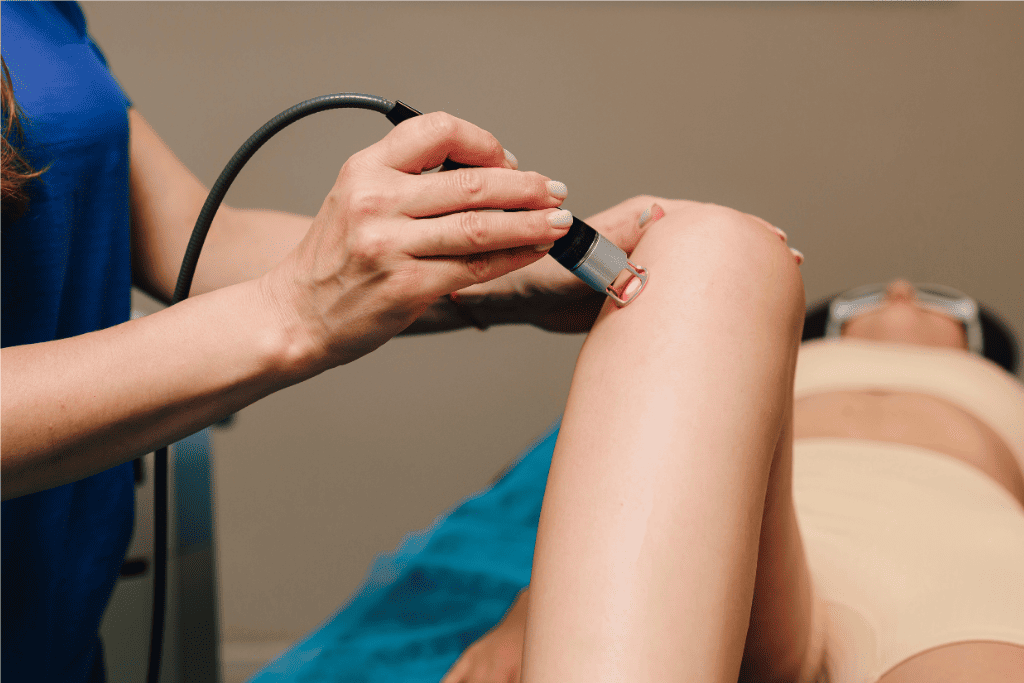
The devices used in clinical practice are typically handheld probes that are placed directly on or near the skin over the injured area. These devices emit light in the red and near-infrared spectrum, which are wavelengths that have been shown to have therapeutic effects on biological tissues. Cold laser therapy is considered safe for treating a wide range of soft tissue and joint injuries.

The Science Behind Healing With Light

The fundamental principle behind cold laser therapy is photobiomodulation. This is a fancy term for how light energy penetrates the skin and interacts with the cells and tissues beneath. When the photons of light from the laser are absorbed by chromophores (light-sensitive molecules) within the cells, it triggers a cascade of cellular events.

One of the most significant cellular effects is the stimulation of mitochondria, often referred to as the “powerhouses” of the cell. This stimulation leads to an increase in the production of adenosine triphosphate (ATP), which is the primary energy currency of the cell. With more energy, cells can function more efficiently, leading to enhanced repair and regeneration processes.

Beyond increased ATP production, cold laser therapy has several other beneficial effects on the injured area:

  • Improved Blood Flow: The light energy can help to dilate blood vessels, increasing circulation to the injured site. This delivers more oxygen and essential nutrients to the damaged tissues while also helping to remove waste products.
  • Enhanced Collagen Production: Collagen is a vital protein that provides structural support to tissues. Cold laser therapy can stimulate fibroblasts, the cells responsible for producing collagen, thus aiding in the repair and strengthening of damaged tissues, including tendons, ligaments, and skin.
  • Reduced Inflammation: The therapy can modulate the inflammatory response, decreasing the production of pro-inflammatory mediators and promoting the release of anti-inflammatory molecules. This helps to reduce swelling and pain, which are common companions to injury.
  • Accelerated Lymphatic Drainage: By promoting lymphatic activity, cold laser therapy can help to clear away excess fluid and cellular debris from the injured area, further reducing swelling and contributing to faster healing.
  • Pain Modulation (Analgesic Effect): Cold laser therapy can directly affect nerve cells, potentially reducing the excitability of pain nerves and stimulating the release of endorphins, the body’s natural painkillers.

Types of Injuries That Benefit From Cold Laser

Given its diverse cellular effects, cold laser therapy can be a valuable adjunct in the treatment of various injuries and conditions, including:

  • Soft Tissue Injuries: This includes common ailments like sprains (ligament injuries), strains (muscle or tendon injuries), tendonitis (inflammation of tendons like Achilles tendonitis or tennis elbow), and fasciitis (inflammation of fascia, such as plantar fasciitis).
  • Joint Injuries: Mild arthritis flare-ups, certain overuse injuries affecting joints, and conditions like bursitis can often benefit from the anti-inflammatory and pain-reducing effects of LLLT.
  • Muscle Tears and Bruising: The therapy can aid in the repair of damaged muscle fibers and help resolve hematomas (bruises) more quickly by improving circulation and lymphatic drainage.
  • Post-Surgical Wounds: Cold laser can be used to promote healing of surgical incisions and reduce scarring, contributing to a smoother recovery after operations.
  • Chronic Injuries That Haven’t Fully Healed: For injuries that have lingered for an extended period, cold laser therapy can often provide the necessary cellular stimulation to kickstart or complete the healing process.

Benefits of Cold Laser Therapy for Healing

The advantages of incorporating cold laser therapy into an injury recovery plan are numerous:

  • Faster Recovery Time: By accelerating cellular repair and reducing inflammation, cold laser therapy can significantly shorten the overall recovery period compared to relying solely on rest and time.
  • Reduced Pain and Swelling: Patients often experience a noticeable decrease in pain and a reduction in swelling relatively quickly after starting treatment.
  • Improved Range of Motion: By alleviating pain and inflammation and promoting tissue repair, cold laser therapy can help individuals regain their full range of motion more quickly during the recovery process.
  • Non-Invasive and No Medications Required: This drug-free approach means no concerns about side effects commonly associated with pain medications or anti-inflammatory drugs.
  • Minimal to No Side Effects: When administered properly by a trained professional, cold laser therapy is very safe, with minimal to no reported side effects. Patients typically feel nothing or a mild, soothing warmth during the treatment.

What to Expect During Treatment

A typical cold laser therapy session is quick and painless. The duration of a session can vary depending on the size of the area being treated and the specific condition, but it usually ranges from a few minutes to about 15-20 minutes. During the session, the practitioner will place the handheld laser device directly on your skin over the injured area. You won’t feel any heat or discomfort, though some people report a gentle tingling sensation.

The number of sessions required also varies, but it’s common for individuals to undergo a series of treatments, often 2-3 times per week initially, for several weeks. Many patients begin to notice improvement within a few sessions, with progressive benefits observed over the course of their treatment plan.

Cold laser therapy is often recommended as part of a comprehensive rehabilitation program, working synergistically with physical therapy exercises, manual therapy, and other modalities to optimize healing and recovery. Your healthcare provider or physical therapist will develop a personalized treatment plan tailored to your specific injury and recovery goals.

Conclusion

Cold laser therapy offers a compelling approach to accelerating the healing process after an injury. By harnessing the power of light, it effectively supports the body’s natural regenerative mechanisms, reducing pain and inflammation while enhancing cellular repair. Its non-invasive nature, lack of side effects, and impressive results make it an increasingly popular choice for athletes and individuals seeking a quicker return to their active lives.

If you’re struggling with an injury and looking for innovative ways to speed up your recovery, it’s worth talking to the experts at Urgent Orthopedic Care. They can assess your condition and determine whether cold laser therapy is the right option for you.

When to See an Orthopedic Specialist for Shoulder Pain

From a minor ache after a strenuous workout to a debilitating sharp pain, shoulder discomfort can significantly impact daily life, limiting simple movements like reaching for a cup or even sleeping comfortably. While many cases of shoulder pain resolve on their own with a bit of rest and self-care, others signal deeper, more serious issues that require expert attention. Knowing when to seek help from an orthopedic specialist in Los Angeles can be the difference between a quick recovery and prolonged suffering, or even long-term damage.

Read on to discover the common causes of shoulder pain, signs that you need an orthopedic consultation, and what a shoulder pain doctor in Los Angeles can do to help you find relief and restore function.

Common Causes of Shoulder Pain

Rotator cuff injuries (tears, strains)

The rotator cuff is a group of four muscles and their tendons that surround the shoulder joint, providing stability and enabling movement. Tears or strains in these tendons are very common, often resulting from repetitive overhead motions, sudden injury, or age-related degeneration.

Bursitis or tendinitis

Bursitis is the inflammation of the bursa, a fluid-filled sac that cushions bones, tendons, and muscles near the joints. Tendinitis is the inflammation of a tendon. Both can cause pain, especially with movement, and are often due to overuse or repetitive motions.

Frozen shoulder

This condition causes stiffness and pain in the shoulder joint, gradually worsening over time. The shoulder capsule thickens and tightens, severely restricting movement. It often develops after an injury or surgery where the arm has been immobilized.

Arthritis

Like other joints, the shoulder can be affected by arthritis. Osteoarthritis, a “wear and tear” type, involves the breakdown of cartilage. Rheumatoid arthritis is an autoimmune disease that causes inflammation in the joint lining. Both lead to pain, stiffness, and reduced mobility.

Shoulder impingement syndrome

This occurs when the top of the shoulder blade (acromion) rubs against the rotator cuff tendons and bursa, causing pain when raising the arm overhead.

Labral tears or instability

The labrum is a rim of cartilage that deepens the shoulder socket, helping to stabilize the joint. Tears in the labrum can lead to instability, pain, and a sensation of the shoulder “slipping out” of place.

Fractures or dislocations from trauma

Direct trauma, such as a fall or impact, can cause fractures in the collarbone, upper arm bone, or shoulder blade. A dislocation occurs when the head of the upper arm bone pops out of the shoulder socket, causing severe pain and immediate loss of movement.

Also Read: Top Most Common Myths About Shoulder Replacement And the Truth Behind Them

Signs It’s Time to See an Orthopedic Specialist

While minor aches might resolve on their own, there are clear signs you need an orthopedic consultation for shoulder pain.

Recognizing these indicators can help you determine whether your shoulder pain needs orthopedic care and when to seek professional help from a shoulder pain doctor in Los Angeles:

1. Pain that lasts more than a few days or worsens with use

If your shoulder pain persists for more than a week, or if it intensifies with activities that typically involve shoulder movement, it’s a strong signal that you should consult an orthopedic specialist.

2. Limited range of motion

Difficulty or inability to move your arm through its full range of motion, such as raising it above your head, reaching behind your back, or across your body, indicates a significant problem within the joint or surrounding tissues. This can be a sign of conditions like frozen shoulder or a severe rotator cuff tear.

3. Shoulder instability, popping, or clicking sounds

A feeling that your shoulder is loose, about to pop out, or actually dislocating is a clear sign of instability. Repetitive popping, grinding, or clicking sounds with movement, especially if accompanied by pain, can indicate issues with cartilage, ligaments, or tendons.

4. Night pain that disrupts sleep

Many shoulder conditions worsen when lying down, particularly on the affected side, leading to disturbed sleep. If shoulder pain consistently wakes you up or prevents you from resting comfortably, it’s time for an evaluation.

5. Weakness in the arm or inability to carry objects

If you notice a significant decrease in strength in your arm, making it difficult to lift or carry even light objects, it could point to nerve damage, a severe tendon injury, or a muscle tear.

6. History of injury or overuse with lingering discomfort

If you’ve had a recent fall, accident, or have been engaging in repetitive activities (e.g., sports, work) that led to shoulder pain, and the discomfort isn’t resolving, it warrants attention. Lingering pain post-injury can indicate improper healing or more extensive damage than initially perceived.

7. Swelling, bruising, or obvious deformity

Any visible changes to the shoulder, such as swelling, unexplained bruising, or a noticeable deformity (e.g., a “bump” where there wasn’t one before), are red flags that require immediate medical attention from an orthopedic specialist.

Also Read: Top 8 Questions to Ask Before Your Joint Replacement Surgery

What an Orthopedic Specialist Can Do

An orthopedic specialist for shoulder pain is a medical doctor who specializes in the musculoskeletal system—bones, joints, ligaments, tendons, and muscles. Here’s how they can help:

First, the specialist will conduct a thorough physical examination, evaluating your shoulder’s range of motion, strength, stability, and identifying any areas of tenderness or swelling. They will ask you to perform various movements to pinpoint the source of your pain and functional limitations.

To get a clearer picture of what’s happening inside your shoulder, the orthopedic specialist may order imaging tests, including X-rays, MRI, and ultrasound.

Based on the examination and diagnostic tests, the orthopedic specialist can provide a precise diagnosis. This is vital not only for effective treatment but also for ruling out more serious underlying conditions.

Once a diagnosis is made, the specialist will develop a customized treatment plan. This plan is designed to alleviate your pain, restore function, and prevent future issues. Treatment may include:

  • Physical therapy
  • Corticosteroid injections
  • Arthroscopic or open surgery (if needed)
  • Pain management and mobility strategies

When to Seek Immediate Care

If you experience any of the following, seek urgent care or go to an emergency room:

  • Sudden, severe shoulder pain after trauma (e.g., fall, car accident)
  • Suspected dislocation or fracture
  • Visible swelling or deformity
  • Numbness, tingling, or loss of arm movement

Do You Need an Orthopedic Specialist for Shoulder Pain in Los Angeles?

Don’t ignore lingering or worsening shoulder pain. While it’s tempting to hope the discomfort will simply disappear, delaying care can lead to chronic issues, increased joint damage, and a more complicated recovery process down the line.

If your shoulder pain limits your daily activities, disrupts your sleep, or affects your performance in sports or at work, it’s time to get evaluated.

Contact a qualified shoulder pain doctor in Los Angeles today for a comprehensive assessment and a personalized plan to get you back to feeling your best.

Request an appointment today at Urgent Orthopaedic Care at our facilities conveniently located in North Hollywood and Los Angeles.

Top 8 Questions to Ask Before Your Joint Replacement Surgery

The number of joint replacement surgeries performed each year continues to rise as the population ages and more people seek relief from chronic joint pain.  

Hip, knee, and shoulder replacements are now common procedures that can significantly improve quality of life. An orthopedic surgery consultation is a vital first step on your journey to joint replacement.  

Here are the questions you need to be asking your orthopedic surgeon in Los Angeles when you go in for a consultation.  

Question 1: Is Joint Replacement the Best Option for Me Right Now? 

Before committing to surgery, it’s essential to explore all available treatment options. Your surgeon should discuss a range of approaches, including: 

Conservative treatments 

These may include physical therapy, injections (corticosteroids or hyaluronic acid), and medications like pain relievers or anti-inflammatory drugs. Often, a combination of these can effectively manage joint pain and improve function. 

Signs that surgery is the most appropriate next step  

Surgery might be recommended if conservative treatments fail to provide adequate relief, if you experience severe pain that limits daily activities, or if joint damage is extensive, as seen on X-rays or other imaging studies. 

Weighing quality of life vs. surgical risks 

It’s essential to weigh the potential benefits of surgery, including pain relief and improved mobility, against the associated risks, such as infection, blood clots, and implant complications. Your surgeon can help you assess whether the potential improvement in your quality of life outweighs the risks. 

Question 2: What Type of Joint Replacement Procedure Will I Have? 

Joint replacement surgery isn’t a one-size-fits-all procedure. There are several variations, and your surgeon will recommend the most suitable one for your specific condition: 

Total vs. partial joint replacement 

In a total joint replacement, the entire damaged joint is replaced with an artificial implant. In a partial replacement, only the most damaged part of the joint is replaced. Partial replacements are less invasive but not always appropriate for severe or widespread joint damage. 

Cemented vs. uncemented implants 

Implants can be fixed to the bone using cement or can be uncemented, relying on bone growth to secure them in place. The choice depends on factors like your age, bone quality, and the specific joint being replaced. 

Minimally invasive vs. traditional techniques 

Minimally invasive surgery involves smaller incisions and less tissue damage, potentially leading to faster recovery. However, it may not be suitable for all patients or all types of joint replacements. 

How surgical approach affects recovery 

Minimally invasive surgery often results in less pain and a shorter hospital stay, while traditional surgery may require a longer recovery period. 

Also Read: Top 5 Benefits of MLS Laser Therapy for Achilles Tendonitis Relief 

Question 3: What Are the Risks and Potential Complications? 

Like any surgical procedure, joint replacement surgery carries certain risks. It’s crucial to have an open discussion with your surgeon about these, including infection, blood clots (deep vein thrombosis or pulmonary embolism), implant loosening or failure, nerve or blood vessel damage, and dislocation of the joint. 

Ask your surgeon about their specific complication rates for the procedure you’re considering. This can give you a better understanding of your individual risk. 

Your surgeon and the medical team will take precautions to minimize these risks. These may include administering antibiotics before surgery, using blood-thinning medications, and employing meticulous surgical techniques. Proper aftercare and adherence to your surgeon’s instructions are crucial for minimizing complications. 

Question 4: What Results Can I Expect and How Long Will They Last? 

While most patients experience significant pain relief and improved mobility after surgery, the extent of improvement can vary. Discuss what level of activity you can realistically expect to achieve. 

Also, the average lifespan of a joint replacement implant is typically 15 to 20 years. However, this can vary depending on factors like your activity level, weight, and the type of implant used. Be sure to ask your surgeon about the expected longevity of your specific implant. 

Your surgeon can help you set realistic goals based on your age, overall health, and lifestyle. While you may be able to return to many of your favorite activities, some high-impact activities may still be limited. 

Question 5: What Will Recovery Look Like, and How Long Will It Take? 

Ask your surgeon how long you’ll need to stay in the hospital or if you’re a candidate for outpatient surgery. The length of stay can vary depending on the type of surgery and your overall health. 

Your surgeon and physical therapist will provide a timeline for regaining mobility, starting physical therapy, and gradually returning to your daily activities. This timeline will vary, but it’s important to have a general idea. 

Don’t forget to discuss pain management strategies with your surgeon. This may include medications, nerve blocks, and other techniques to keep you comfortable during recovery. 

Finally, ask your surgeon about any red flags to watch for during your recovery that would require immediate medical attention, such as signs of infection, blood clots, or implant dislocation. 

Also Read: Common Causes of Shoulder Pain and Injuries 

Question 6: What Should I Do to Prepare for Surgery? 

These joint surgery preparation tips are crucial for a successful outcome: 

Number one, know that first you’ll likely need to undergo preoperative testing, including blood tests, X-rays, and an EKG, to ensure you’re healthy enough for surgery. 

Your surgeon may recommend pre-operative physical therapy to strengthen your muscles and improve your range of motion. They may also advise you to make lifestyle changes like quitting smoking or losing weight to reduce the risk of complications. 

You’ll also need to adequately prepare your home for your return after surgery, i.e., arranging for assistive devices (walker, raised toilet seat), modifying your living space, and setting up a support system. 

Discuss with your surgeon which medications you should stop or adjust before surgery, as some can increase the risk of bleeding or other complications. 

And finally, surgery can be a source of anxiety. Talk to your surgeon about any concerns you have and explore ways to manage your anxiety, such as relaxation techniques or support groups. 

Question 7: What Support Will I Need After Surgery? 

Having a good support system is crucial for a successful recovery, so discuss the role of caregivers and family members in your early recovery. You’ll likely need help with daily activities, transportation, and emotional support. 

Understand the importance of follow-up visits with your surgeon and attending physical therapy sessions as prescribed. These are essential for monitoring your progress and ensuring proper healing. 

Remember to ask your care team about the availability of post-operative support, such as phone consultations, support groups, or home health services. 

Lastly, discuss with your surgeon and physical therapist when you can expect to return to driving, work, or other recreational activities. This will depend on your individual progress and the type of surgery you had.  

Know what to expect from joint replacement surgery  

Asking the right questions before your joint replacement surgery will help you feel more prepared, confident, and in control of your care.  

Remember, your surgeon is your partner in this journey. Don’t hesitate to ask for clarification, seek guidance, and express any concerns you may have. Open communication and a collaborative approach will help you achieve the best possible outcome. 

For joint replacement surgery in Los Angeles, schedule an appointment today with an orthopedic surgeon at Urgent Orthopaedic Care.