

Joint pain can change how you live your day. It can make walking harder, limit how far you can move, and even affect your sleep. What starts as mild discomfort may progress to stiffness, weakness, and loss of independence. Many people face this due to arthritis, injury, or long-term joint wear.
At first, simple treatments may help. Rest, medications, and physical therapy can temporarily ease symptoms. But when these options stop working, the problem often becomes harder to ignore. Daily tasks like climbing stairs, getting dressed, or even sitting comfortably may feel challenging.
This is when many people start to consider joint replacement surgery in Los Angeles. It can address the root cause of pain rather than just managing symptoms.
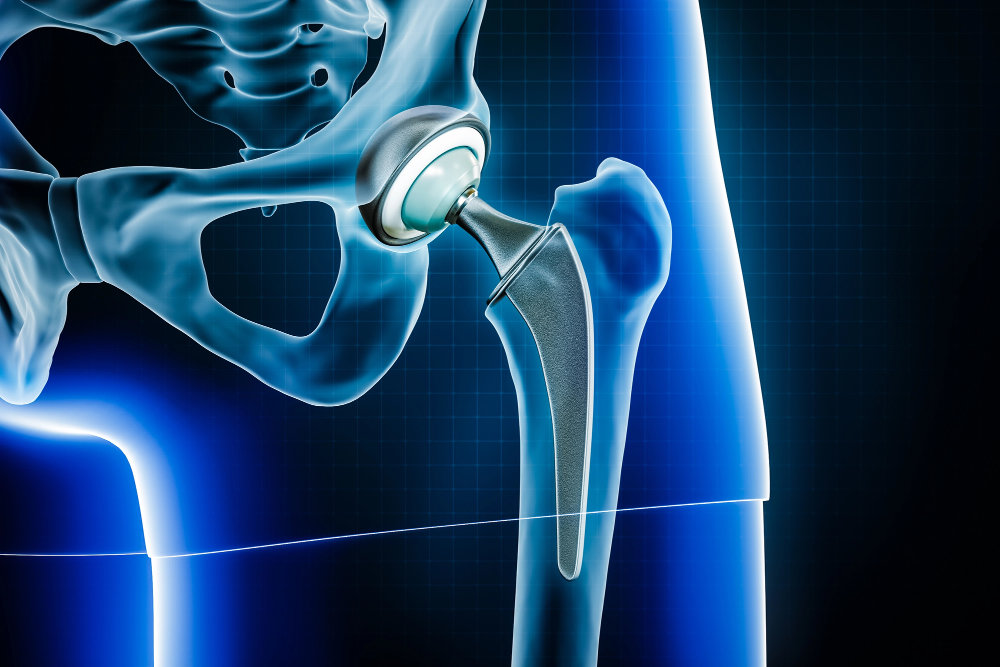
Advances in orthopedic care have made these surgeries safer and more effective. New techniques help restore movement, reduce pain, and make it easier to get back to daily life. Joint replacement is now common for the knee, hip, and shoulder, using better tools and methods at every stage.
At Urgent Orthopaedic Care, every patient receives a thorough evaluation before any decisions are made. The team focuses on understanding your condition, the extent of joint damage, and the best course of action.
To understand this approach, it’s helpful to know what joint replacement surgery involves.
Joint replacement surgery is a procedure that removes damaged joint components and replaces them with artificial components. These components, often made of metal, plastic, or ceramic, are designed to move in a manner that closely mimics a natural joint.
The goal of joint replacement is not only to remove damaged tissue but also to restore smoother movement and reduce friction-related pain within the joint.
Doctors may recommend orthopedic joint replacement when joint damage reaches a point where the body can no longer repair itself. This often happens in cases such as:
When cartilage breaks down, bones begin to rub directly against each other. This leads to pain, swelling, and reduced movement. Over time, the joint may become stiff or unstable.
Replacing the damaged surfaces gives the joint a smoother surface, allowing it to move more easily. The aim is to reduce pain, improve mobility, and help you return to your usual activities with fewer limitations.
Most people do not move straight to surgery. In many cases, symptoms are managed first with non-surgical care. This can include medications, injections, physical therapy, or lifestyle changes.
Doctors usually consider surgery when other treatments no longer bring enough relief. The choice often depends on how much your symptoms affect your daily life.
Common signs that may lead to advanced joint replacement surgery include:
For many people, the turning point comes when pain starts to limit their independence. When everyday movements become hard, surgery may offer a longer-lasting solution.
Several conditions can lead to serious joint damage over time. The most common is osteoarthritis, which is a condition of cartilage wearing down with age and use.
Other conditions may also require orthopedic joint surgery. Rheumatoid arthritis, for example, causes inflammation that damages joint tissue. Injuries such as fractures or ligament tears can also lead to long-term joint problems if not fully healed.
Degenerative joint disease is another major cause. It often develops slowly but can lead to severe pain and stiffness.
One of the most common reasons for joint replacement in osteoarthritis is bone-on-bone arthritis. In this stage, cartilage is no longer present, and the joint surfaces grind against each other during movement.
If you are looking for lasting relief from chronic joint pain, joint replacement can be a more permanent solution when other treatments no longer work.
Knee replacement surgery is one of the most widely performed orthopedic procedures. The knee bears body weight and is essential for walking, standing, and other movements. When it gets injured, even simple tasks can become challenging.
Different surgical options are available depending on how much of the knee is affected:
Each type of surgery has its own benefits, but all aim to reduce pain and help you move more easily.
Patients with severe knee arthritis often pursue surgical treatment when other options fail. Those dealing with bone-on-bone knee treatment may find that replacement surgery allows them to move with less pain and greater confidence.
Recovery is an important part of knee replacement. A good recovery plan helps you rebuild strength and regain movement. Starting to move early, along with therapy, can lead to better long-term results.
The hip joint supports body weight and allows smooth movement during walking and standing. When this joint becomes damaged, it can affect balance, posture, and overall mobility.
Hip replacement surgery is often recommended for patients with advanced arthritis or joint damage. Pain may begin in the hip but can also spread to the groin or thigh, making movement more difficult.
There are several surgical techniques available:
People thinking about hip arthritis surgery are often looking for relief from ongoing pain and trouble moving. After surgery, many find it easier to walk and feel less discomfort in daily life.
Recovery time after hip replacement can vary. Most people start walking with help the day of or the day after surgery. With regular therapy and care, strength and movement improve over time.
The shoulder joint allows a wide range of motion, including lifting, reaching, and rotating the arm. When it gets damaged, even simple tasks like brushing hair or reaching overhead can cause pain.
Shoulder replacement surgery may be recommended when arthritis or injury causes severe joint damage. Pain, stiffness, and weakness often limit movement.

Two main types of procedures are used:
Both procedures aim to lessen chronic pain and enhance mobility. Through proper rehabilitation, patients often recover the ability to perform daily activities more easily.
Shoulder joint replacement offers lasting relief and helps patients restore strength, flexibility, and confidence in their arm movements.
Modern orthopedic care has changed how joint replacement is performed. Today’s procedures are more precise and designed to support better outcomes.
Key advancements include:
These new techniques help surgeons work with more precision. They also protect the surrounding tissue, which can mean less pain after surgery and a smoother recovery.
This means more reliable results and an easier return to your usual activities.
The joint replacement process is planned in stages. Each step is designed to support safety and recovery.
Knowing what to expect can help you feel more prepared and take an active role in your recovery.
Recovery proceeds after surgery and requires patience, effort, and consistent progress.
Most patients begin moving the joint soon after surgery. Early movement helps prevent stiffness and supports circulation.
A full recovery plan often includes:
Physical therapy after joint replacement is one of the most important parts of recovery. It helps rebuild muscle strength, improve range of motion, and support long-term joint function.
Sticking to your recovery plan can help you heal more quickly and feel more confident about moving again.
Many people ask how long a joint replacement lasts. While it can vary, taking proper care of your new joint can help it last longer and function well.
Modern implants are designed to last for many years. Most people enjoy good joint function for 15 to 20 years or even longer.
Several factors affect how long a replacement lasts. These include activity level, body weight, overall health, and adherence to rehabilitation guidelines and follow-up care.
Choosing the right provider is essential to your journey. Experience, skill, and patient support all influence your outcomes.
At Urgent Orthopaedic Care, experienced joint replacement surgeons use modern techniques and tools to treat patients. The team provides advanced joint replacement procedures customized to each patient’s needs.
Care goes beyond the surgery itself. You’ll get guidance before your procedure and support throughout your recovery.
The goal is to help you reduce pain, move better, and return to your daily life with greater comfort.
It is a procedure that replaces damaged joint surfaces with artificial implants to reduce pain and improve movement.
It may be needed when pain and stiffness limit daily life and do not improve with other treatments.
Common causes include arthritis, degenerative joint disease, and joint damage from injury.
Most procedures take one to a few hours, depending on the joint and complexity.
Initial recovery may take weeks, with continued improvement over months.
Many patients begin walking soon after surgery, with recovery continuing over several weeks to months.
Recovery may take a few months as strength and motion improve through therapy.
Pain is managed with medication and care plans. It usually improves as healing progresses.
Many implants last 15 to 20 years or longer with proper care.
Risks include infection, blood clots, stiffness, and implant issues, though these are monitored and managed carefully. Risks of the surgery should be discussed by each patient with their surgeon.
In some cases, it may support faster recovery due to less tissue disruption, however research has thus far not supported that this is the case for majority of patients.
It uses advanced technology to assist surgeons with precise implant placement.
Many patients begin walking with support within hours to a day or two after surgery.
Therapy that focuses on strength, flexibility, and the restoration of joint movement.
There is no fixed age. The decision depends on symptoms, joint damage, and overall health.
Joint pain from arthritis, injury, or years of use can affect all parts of your daily life. Over time, it may limit your mobility and make you less independent.
Modern joint replacement surgery in Los Angeles offers real solutions for restoring joint function and easing pain. Knee, hip, and shoulder procedures have improved thanks to better techniques, stronger materials, and more careful planning.
With good care, skilled surgery, and steady rehab, many people return to active, independent lives.
If joint pain is making it hard to move or complete daily tasks, Urgent Orthopaedic Care can help you explore your options. From your first visit through recovery, the team provides personalized care designed to restore movement and reduce pain.
Schedule a consultation today at Urgent Orthopaedic Care’s Los Angeles or North Hollywood locations to determine if joint replacement surgery is the right option for your condition.