


What Happens When Joint Damage Progresses Beyond Repair

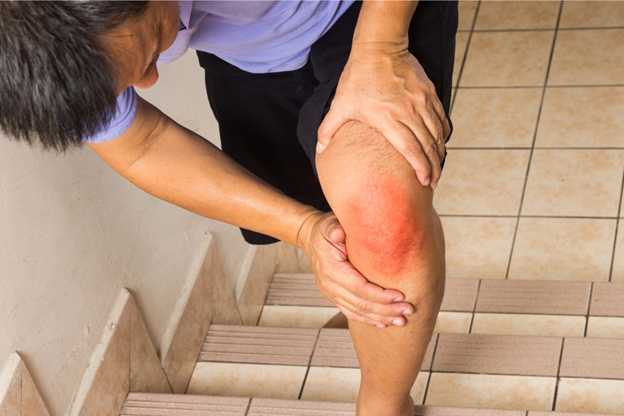
Joint Damage Usually Progresses Gradually, Not All at Once
Joint wear occurs over years, not weeks. The signs are there early on. You feel stiff when you wake up. A long walk makes you sore. After a busy weekend, some swelling comes and goes with rest and ice. Because the flare-ups go away, most people attribute them to aging or overdoing it.
Then things start to change. The recovery takes longer. The pain never stops in between flares. Some movements just stop feeling right. Many patients don’t realize how much their joint function has diminished until the little things, such as climbing stairs, getting out of the car, or standing up after dinner, get harder to manage.
What “Beyond Repair” Actually Means in Orthopedics
Many people think “beyond repair” means a joint is completely non-functional. Most of the time, it isn’t. The joint doesn’t disappear, and the movement does not suddenly become impossible.
Instead, it generally means that the tissues within the joint have degenerated to a point that conservative treatments can no longer provide significant stability, comfort, or function. At this stage, treatment often shifts toward improving long-term mobility and quality of life, rather than providing temporary symptom relief.
Also Read: Joint Replacement vs. Physical Therapy: When Each Makes Sense
How Joint Damage Changes Over Time
Severe arthritis is rarely one isolated problem. A few changes tend to accumulate and reinforce one another.
- Cartilage breakdown. Cartilage loss strips away the smooth cushion between bones, the very foundation for pain-free motion.
- Inflammation and joint irritation. Long-term swelling inside the joint capsule limits how well it can bend and straighten.
- Bone-on-bone contact. Once the cushion is gone, the bones rub directly against each other, which is the hallmark of bone-on-bone arthritis.
- Structural changes. Joints can drift out of alignment, develop bone spurs, or feel loose and unsteady.
Advanced damage doesn’t just cause pain; it changes how the joint carries weight and moves through space. These small changes can lead to increased stiffness, reduced stability, and uneven wear that builds up over time.
What Patients Often Notice as Damage Progresses
Signs of severe joint damage and bone-on-bone arthritis don’t usually come in a clean, obvious way. They are little irritations that build up, week after week.
Pain Lasting Longer After Activity
One of the first signs is slower recovery. You used to be able to go for a walk or a workout without even thinking about it, but now it leaves you sore for a whole day or more.
Reduced Range of Motion
Reaching, walking, and bending become harder. You may not be able to straighten your knee, or your shoulder may feel stuck when you rotate it.
Increasing Stiffness
Stiffness usually hits hardest after rest, in the morning, or after long stretches of sitting. Movement loosens it up, but the warm-up takes longer as the years go by.
Activity Avoidance
Many people quietly reshape how they move without realizing it. The elevator becomes the default. Walks get shorter. Favorite hobbies get put on the shelf one at a time.
Working around joint pain feels practical in the moment, but it tends to mask how much daily function you’ve actually lost.
Why Conservative Treatments Eventually Reach a Limit
Conservative care aims to reduce symptoms and support the joint, not rebuild it. Shots, anti-inflammatories, and bracing can be a great help, but that help is symptom-deep. The wear down just keeps progressing in silence.
Physical therapy can add real value by strengthening the muscles around a damaged joint, which often improves support and reduces pressure. Even so, therapy can’t grow cartilage back or undo structural damage. As wear continues, the joint may stop responding as it once did, even when nothing about your treatment plan has changed. That’s usually when the conversation with your doctor starts to change.
When the Conversation Shifts Toward Joint Replacement
For most patients, the decision to pursue joint replacement is not a single moment. It’s a slow degradation in quality of life. Pain begins to affect daily activities, leading to restless sleep. Walking becomes harder each day. Independence starts to look less certain than it used to.
Scans are important, but they don’t tell the whole story on their own. A specialist pays close attention to how you actually live. Can you reach the mailbox? Take the steps? Try getting through a workday without moving everything around the joint? The decision is more often based on a decline in quality of life, not solely on imaging.
Also Read: Can Exercise Wear Out Your Joint Replacement Faster?
Why Waiting Too Long Can Create Additional Problems
When patients delay evaluation, the effects rarely remain confined to a single joint. The surrounding muscles weaken with less use. Walking patterns change. The body starts compensating in ways that create new pain somewhere else. Hip arthritis can pull the lower back out of balance. And knee damage can throw off your gait enough to strain the other hip or ankle.
These compensation patterns can become entrenched and sometimes make further treatment more difficult. Severe joint deterioration affects the body far beyond the original joint, and that is why earlier assessments leave more flexible options on the table.
What Orthopedic Specialists Evaluate Before Recommending Surgery
Surgery is never a default. Specialists weigh a few things together:
- Imaging findings, including joint space loss and visible structural wear on X-ray or MRI.
- Functional limitations, such as trouble walking, climbing stairs, or sleeping comfortably.
- Response to prior treatment, including medications, physical therapy, and injections.
Surgery comes into the picture only when several signs point to a lasting functional decline that conservative care can no longer manage.
Joint Replacement Is About Function, Not Just Pain
A common assumption is that joint replacement is only for people in extreme, unbearable pain. Plenty of people who do well with replacement aren’t in a pain crisis. They’ve just lost too much function to keep living the way they want to.
If treatment is moving towards replacement, restoring movement, stability, and quality of daily life is as important as pain relief. The point is not just to quiet the pain. It’s about restoring enough reliable function to the joint to support the life you want to live.
What Patients Often Overlook About Advanced Joint Damage
Most people adapt to advanced joint damage without realizing how much their movement has changed. They may change their posture, change the way they walk, or avoid putting weight on certain parts. Over time, these changes become automatic habits.
Fatigue often increases as movement efficiency declines. You might notice that everyday activities take more effort than they did before. Many patients also gradually stop engaging in hobbies, exercise, or routines they used to enjoy, often without realizing how much their activity level has changed.
Earlier Evaluation Can Change Long-Term Outcomes
Getting an orthopedic evaluation for advanced joint damage in Los Angeles earlier in the process tends to open up more options. There’s more room for planning, and a wider range of treatments stays on the table. Moreover, there’s a real chance to prevent compensation patterns that make later care harder.
Understanding how joint damage progresses helps you recognize when symptom relief alone isn’t enough to protect your long-term mobility and function.
Also Read: Joint Replacement and Longevity: How Long Will Your New Joint Last?
Find Out Whether Your Joint Damage Is Progressing Beyond Conservative Treatment
Advanced joint damage often develops slowly, and changes in mobility, stability, and daily function can easily be missed. Persistent pain, stiffness, or decreased mobility may indicate that the joint is not responding well enough to conservative treatment alone.
An orthopedic evaluation can help determine whether your symptoms indicate temporary inflammation or more advanced joint deterioration. Full-service joint care at Urgent Orthopaedic Care aims to improve mobility, stability, and long-term quality of life.
Schedule an orthopedic evaluation with Urgent Orthopaedic Care’s Los Angeles or North Hollywood locations to discuss treatment options for long-term movement and function.