


Chronic Shoulder Pain After Surgery: What’s Normal and What Isn’t?

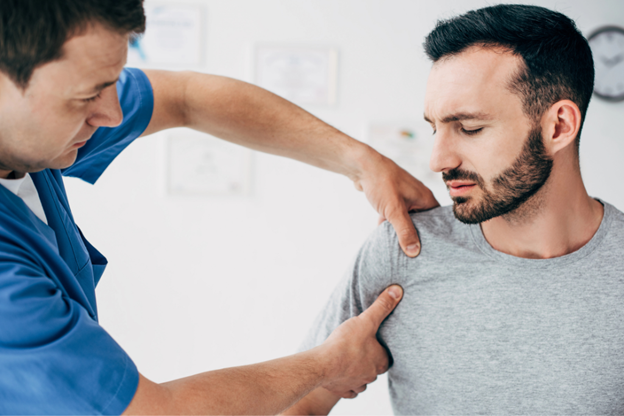
Many people expect surgery to end their pain right away. They assume that once the procedure is done, the soreness should fade within a few days. The shoulder is a complex joint that relies on muscles, tendons, and soft tissues, and healing often takes longer than patients expect. The pace can feel slow even when everything is going well.
That raises a fair and very common question. What is normal healing, and what persistent shoulder pain after surgery might be a problem? Knowing the difference can reduce some of the worry and help you decide when to call your doctor rather than wait. It also helps you to keep your patience through the tougher stretches. This guide can help you understand what to expect in your recovery from shoulder surgery, which symptoms are common and expected, and which should prompt a call to your care team today.
Why Shoulder Pain Can Persist After Surgery
Many shoulder procedures have long healing times. The joint depends on muscles, tendons, and soft tissue, all of which need time to heal. After orthopedic surgery, swelling and tenderness may continue for weeks.
Different repairs heal at different speeds. A rotator cuff repair, a labral repair, and a shoulder replacement each follow their own path. Pain, stiffness, and weakness may stay longer than you predict. Your shoulder surgery recovery timeline can differ a lot from someone else’s, which is why your progress may not match a friend’s.
Also Read: Can a Cortisone Shot Fix Shoulder Pain or Just Delay Surgery?
What Is Usually Considered Normal During Recovery
Pain That Gradually Improves Over Time
Many patients feel soreness that slowly fades over weeks. The pain may come and go rather than stay steady. You might notice more discomfort after activity or after a hard therapy session. This pattern is common during shoulder recovery.
Some forms of discomfort are a normal part of healing:
- Soreness that comes and goes throughout the day
- Aching after lifting or reaching
- Flare-ups after shoulder rehabilitation exercises
- Mild discomfort at night that eases with rest
These signs usually indicate that the tissue is still healing, not a complication.
Stiffness and Limited Motion
Stiffness is common after the shoulder has been held still. The joint can feel tight, and your range of motion may shrink at first. This often improves as healing moves forward. Gentle movement helps the joint loosen over time.
Rehabilitation is very important here. Following your therapy plan is a safe way to regain motion and strength. Skipping exercises may slow down your progress and make you stiffer. Gradual gains come with steady effort.
What Patients Often Overlook
Recovery is not a straight line. You may have good days, and then some harder ones. That swing is normal. Just because you’ve had a bad day doesn’t mean something’s wrong. Healing tissue responds to rest, activity, and even changes in weather.
There are temporary setbacks in the process. A flare-up from extra activity usually settles down in a day or two. One day doesn’t matter so much as the overall trend. If the overall direction is forward, your shoulder surgery recovery is probably on track.
Signs Your Recovery May Not Be Following the Expected Pattern
Pain That Is Getting Worse Instead of Better
Healing pain should ease over time, not build. Pain that becomes steadily worse instead of gradually improving deserves attention. The same is true if symptoms become more frequent or harder to manage. These shifts can be early signs of complications after shoulder surgery.
Pay attention if your function drops as pain rises. Tasks that felt easier last month should not suddenly feel harder. A clear move backward is one of the reasons to worry about shoulder pain after surgery. Tracking these changes helps your doctor find the cause.
Symptoms That Return After Improvement
Sometimes the pain goes away, then comes back. A return of symptoms after real progress can suggest re-injury. This is often after a specific activity, after a fall, or after lifting something too heavy too soon. The shoulder might not be able to take that weight.
Returning pain can also point to a structural issue. A repair may be under strain, or healing tissue may have shifted. These are among the persistent causes of shoulder pain after surgery that deserve review. A quick check can tell whether the repair is holding.
Ongoing Weakness or Loss of Function
Some weakness is expected early on, but it should fade as you heal. Lasting trouble lifting your arm is different. If the problem of raising or holding the arm persists for weeks, that is worth mentioning. Strength should return gradually, and not stall.
Loss of function affects daily life. Trouble reaching a shelf, dressing, or carrying items can signal a problem with the repair or the nerves. This kind of shoulder injury symptom should not be ignored.
Also Read: Why Some Patients Need Reverse Shoulder Replacement Instead of Standard Replacement
When It Doesn’t Follow the Usual Pattern
Frozen Shoulder
Frozen shoulder causes stiffness that builds rather than fades. The joint grows tighter, and motion becomes more restricted over time. Simple tasks like reaching behind your back can become very hard. This pattern stands apart from normal healing stiffness.
Recurrent Rotator Cuff Problems
A repaired rotator cuff can sometimes develop problems again. You may continue to feel weakness in the arm even after months of healing. Pain during overhead movement is another common sign. These symptoms suggest the tendon may need another look.
Persistent Inflammation or Nerve Irritation
Not all post-surgical pain comes from the joint itself. Nerves near the shoulder can become irritated during the healing process. This may feel different from a normal ache. The sensation often stands out from the soreness you expect.
Nerve-related symptoms can include:
- Burning pain rather than a dull ache
- Tingling or a pins-and-needles feeling
- Discomfort that spreads down the arm
These signs need evaluation, as their causes and treatments differ from those of muscle or tendon pain.
When It May Be Time to See Your Orthopedic Surgeon Again
Some questions are best answered in person. If your recovery seems stalled, a check-in can help find the reason. The same is true when pain disrupts your sleep night after night. Rest is part of healing, so ongoing sleep loss matters.
Reach out to your surgeon if you notice any of these:
- Progress that has clearly stalled
- Pain that limits work or daily activities
- New symptoms that were not there before
- A recovery that feels very different from what you were told to expect
Trust your sense of your own body. Judging how long shoulder pain lasts after surgery is hard to do alone, and a visit can give you a clear answer.
The Benefit of Early Evaluation
Catching a problem early often makes it easier to treat. A timely visit can spot a complication before it grows. It also lets your team adjust your shoulder rehabilitation plan if something is not working. Small changes early can prevent bigger setbacks.
An early evaluation can help your doctor:
- Find complications before they worsen
- Update your therapy plan for better results
- Decide whether imaging or further treatment is needed
- Lower the risk of long-term loss of motion
Waiting too long can allow stiffness or weakness to develop. But if you act sooner, you can protect your function and support a smoother recovery.
Also Read: How Nutrition Supports Healing After Joint Replacement Surgery
Concerned About Ongoing Shoulder Pain After Surgery?
Some discomfort during healing is normal, and many patients improve steadily with time and good rehabilitation. Pain that worsens, returns after progress, or refuses to fade is a different matter and deserves a professional evaluation rather than more waiting. Listening to these signals early can protect your strength and motion in the months ahead. At Urgent Orthopaedic Care, the team focuses on shoulder assessment and post-surgical treatment for patients across Los Angeles.
If your recovery is not moving the way you expected, you don’t have to guess about it on your own. Schedule a consultation with Dr. Vlad Gendelman and the orthopedic team for a clear evaluation and a practical path forward as soon as possible. They can review your progress, adjust your plan, and answer the questions on your mind..
Contact our North Hollywood or Los Angeles offices today.